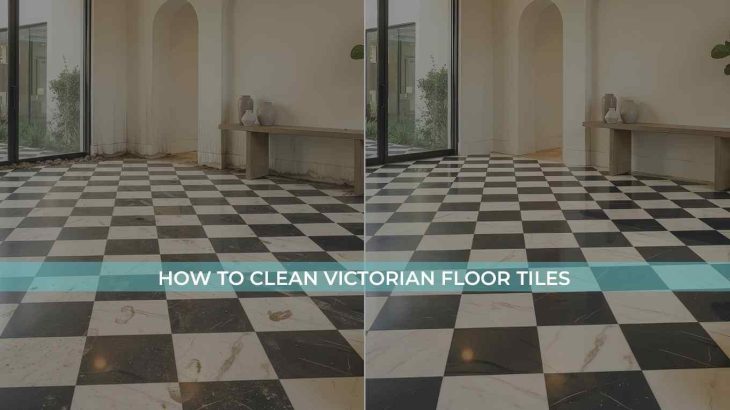
“How to clean Victorian floor tiles?” This is the question our customers frequently ask while they buy Victorian Tile online or in our showrooms while shopping for floor tiles for homes. There is not a single answer to this query as you need to consider the type of floor tile, the condition and age, porosity, existing sealing and waxes, and the traffic that it has been receiving.
While cleaning, you encounter general dirt, grime, oily residues, and old adhesives. Each needs to be tackled carefully so that when you clean, you do not damage the tile in the process.
To give you a quick and short answer, here is how to clean Victorian floor tiles:
To clean Victorian floor tiles safely:
- Sweep or vacuum to remove loose grit
- Use a pH-neutral cleaner suitable for heritage tiles
- Avoid steam cleaners, vinegar, bleach, and abrasive pads
- Use minimal water, especially on unsealed or encaustic tiles
- Rinse with clean water and dry thoroughly
- Seal with a breathable tile sealer if required
This method protects original Victorian tiles while preventing staining, moisture damage, and surface wear.
Read this guide for a detailed answer of everything you need to know about cleaning Victorian tiles. We will cover:
- What Are Victorian Floor Tiles
- Types of Victorian Floor Tiles and How to Clean Them
- What NOT to Use on Victorian Floor Tiles
- Step-by-Step Guide to Cleaning Victorian Floor Tiles
- Sealing Victorian Floor Tiles
- Restoring Victorian Floor Tiles
- Maintenance & Long-Term Care Tips
- Professional Victorian Tile Cleaning & Restoration Services
What are Victorian Floor Tiles
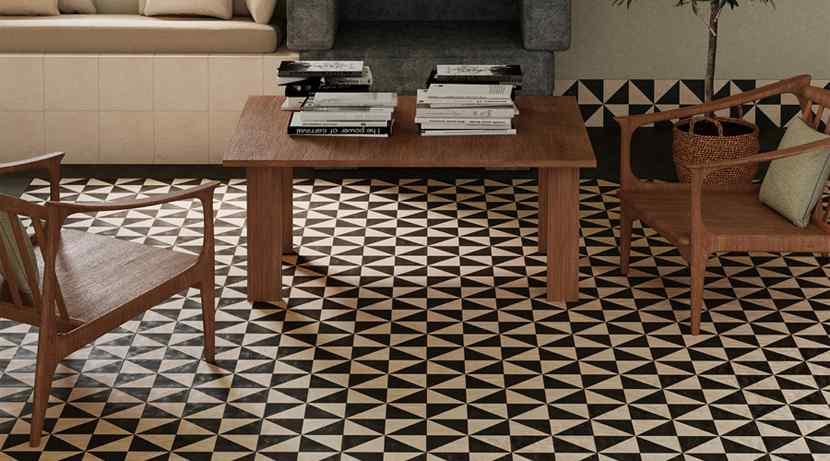
Victorian floor tiles are decorative floor tiles used mostly indoors. These heritage floor tiles were at their peak of popularity during the Victorian era from 1837 to 1901; widely used in British homes, public buildings, and especially in the hallways and entryways.
Known for their intricate detailing, rich colours and excellent durability, these decorative tiles were designed to be ornamental as well as practical. Later Edwardian floor tiles evolved with lighter colours and simpler patterns, while Victorian designs remained bold and decorative.
In today’s time, Victorian checkerboard tiles, made from encaustic tiles or glazed ceramic tiles, are considered a heritage feature and commonly restored rather than replaced.
Types of Victorian Floor Tiles and Why Cleaning Methods Differ
Victorian tiles for floors come in different materials, finishes and porosities, which is why cleaning them differs from tile to tile. If you use a one-size-fits-all approach, you may end up ruining and staining the surface or causing long term damage.
| Tile Type | Porosity | Main Risk | Cleaning Approach | Sealing Needed? |
| Encaustic (Unglazed) | High | Staining, moisture absorption | pH-neutral cleaner, minimal water | Yes – breathable sealer |
| Glazed | Low | Surface scratching | Mild cleaner, soft mop | Usually no |
| Unglazed | Medium–High | Darkening, staining | Low moisture, gentle scrub | Recommended |
| Matt Finish | Medium | Dirt buildup | Regular gentle cleaning | Optional |
Encaustic Victorian Tiles
These are unglazed and porous tiles. The patterns are inlaid into the tile rather than printed on the surface. They are prone to moisture and dirt absorption, and “how to clean encaustic Victorian tiles” involves gentle cleaning with pH-neutral cleaners, minimal water, and a soft brush. For sealing them, let them dry fully to protect them from future staining.
Glazed vs Unglazed Victorian Tiles
Glazed Victorian tiles have a protective layer that resists moisture and is easy to clean. Unglazed tiles are far more absorbent and vulnerable to damage. Cleaning unsealed Victorian tiles requires extra care. Avoid harsh chemicals, steam cleaners and soaking, or you will permanently darken or weaken the tile surface.
Matt Finish vs Sealed Tiles
Many Victorian tiles have a natural matt finish, which means that they trap dirt and grime over time. Matt Victorian tile maintenance requires you to be gentle and consistent in cleaning to prevent buildup. Sealed tiles are more resistant to stains and are easier to clean and maintain. Use breathable sealants to allow moisture to escape without damaging the tiles.
What NOT to Use on Victorian Floor Tiles
If you have Victorian floor tiles laid in your hallway or other indoor spaces, you need to know that using the wrong products or tools can cause irreversible damage to your original and unsealed Victorian tiles.
To avoid damaging Victorian tiles while searching for ‘how to wash Victorian tiles’, these are the products and cleaners that you must avoid:
- Steam Cleaners: You cannot use steam cleaners on Victorian tiles. The high heat and moisture will force water into the tiles and grout, leading it to stain, crack and effloresce.
- Vinegar and Other Acidic Cleaners: Despite the popular advice on how to clean Victorian tiles with vinegar, acidic solutions erode the tile surface, fade the colour and pigments, and weaken the grout over time.
- Bleach: Bleach is a big NO-NO for Victorian tiles as they discolour the tiles, breaks down the historical grout and leaves uneven and irreversible patches.
- Abrasive Pads or Powders: These products scratch the surface of the tiles, wearing the intricate patterns down and dulling the whole natural finish of these patterned floor tiles.
Instead, use the best cleaners for old Victorian floor tiles that are not only gentle but also pH-neutral, with a mild alkaline, especially designed for encaustic or heritage tiles.
Step-by-Step Guide to Cleaning Victorian Floor Tiles
A big part of maintaining vintage floor tiles is understanding how to clean them. Poor cleaning method means damaged floors in the long run. When you know how to clean Victorian floor tiles, you keep your floor looking beautiful for years to come.
Prepare the Area
Remove any furniture, dry sweep the tiles and use a vacuum cleaner to remove soil or grit.
Remove Old Waxes & Coatings
Use a sealer remover to remove most of the sealers, wax coatings, or paints.
- Apply your sealer remover with any brush
- Leave it for 10-20 minutes to soften
- Scrub in manageable sections with a cleaning pad
- Remove the remaining residue with clean warm water and a sponge
- Dry the floors with a clean cloth or towel
Deep Clean Dirty Victorian Tiles
For soiled tiles and stubborn stains,
- Clean with alkaline cleaning solutions according to the manufacturer’s instructions
- Use a natural bristle brush to avoid scratching or damaging your Victorian floor tiles
- Remove the soiled solution with a dry cloth
- Rinse thoroughly with clean water
- Wipe again with a new dry towel
Treating Efflorescence
Some of the Victorian hallway tiles were laid on bricks and mud (can you believe it?). Damp and salt caused efflorescence. To clean such floors,
- Apply acid salt residue treatments (specialist efflorescence removers) for surface treatment as per instructions. Avoid generic acidic products. Do a patch test first.
- Let it sit for the time suggested in the instructions
- Rinse with clean water
- Dry it with a dry cloth or towel
- Allow your floor to dry for several days (especially during damp weather conditions)
You may need to re-treat it in 2-3 days if the salts appear again.
Sealing Victorian Floor Tiles
It is very important to seal Victorian floor tiles with a breathable tile sealer to protect them from stains, moisture and dirt, especially the unglazed and encaustic tiles. Sealing Victorian bathroom tiles is especially important due to the frequent exposure to water and steam
Using the best sealers for Victorian tiles, you not only preserve their appearance but also make everyday cleaning easier in high-traffic areas.
Reseal your Victorian tiles every 2-3 years in busy areas. It is typically time to reseal it when they:
- Darkens when wet
- Stain rapidly
- The water no longer beads on the surface.
Royale Stones advises homeowners and restorers across the UK on maintaining original Victorian floor tiles to extend tile life and reduce ongoing maintenance.
Restoring Victorian Floor Tiles
Restoration preserves the original character of Victorian floor tiles while extending their lifespan. It is necessary to apply proper restoration techniques when you are dealing with surface damage, staining or poor past repairs, especially when you are repairing original Victorian tiles in period homes.
Removing Old Sealers
Waxes or outdated sealers trap dirt and moisture on tiles. Strip the layers using appropriate products designed for heritage floor tiles. Remove the old sealer, clean it properly and reseal it every 2-3 years.
Removing Rust Marks
Rust stains appear due to metal furniture, radiators and fittings contacting the porous floors. Clean these marks with non-acidic cleaners to avoid damage to pigments or the tile surface.
Repairing Cracked or Missing Tiles
Use compatible adhesives or fillers matched to the tile colour and level for small cracks and chips. For missing or badly damaged tiles, source reclaimed or reproduction replacements that match the original pattern to maintain the authenticity while repairing original Victorian tiles.
Replacing Grout
Grout matters in Victorian tile restoration. Traditional floors were laid with lime grout, which is flexible and breathable. In modern repairs, cement grout is used, which is too rigid and can trap moisture, leading to cracked tiles and damp issues.
Royale Stones recommends using lime grout for Victorian tiles to protect the tiles and the subfloor while preserving the historic integrity.
Maintenance & Long-Term Care Tips
When you maintain your floor Victorian tiles, you allow them to look their best while preventing long-term damage.
- Daily & Weekly Cleaning: Sweep or vacuum regularly to remove grit. Mop weekly with warm water and a pH-neutral cleaner. Do not over-wet and allow it to dry fully after cleaning.
- Protecting Tiles in High-Traffic Areas: Use mats to trap dirt in your entrances, and place felt pads under furniture legs. In high-traffic hallways, add an extra layer of sealer for extra protection
- Stain Prevention Tips: Clean spills immediately to prevent liquids from soaking into porous tiles. Avoid chemicals, acidic cleaners or abrasive tools that can permanently damage the surface.
- Periodic Resealing Schedule: Reseal Victorian tiles in high traffic areas every 2-3 years and less frequently in low traffic zones.
For checkerboard tiles, regular sweeping and gentle cleaning prevent dirt from accumulating in high-contrast grout lines
When Do You Need Professional Victorian Tile Cleaning & Restoration Services
There are instances where DIY cleaning is not enough. Like heavy stains on historically significant Victorian floor tiles. In such a case, professional Victorian tile cleaning ensures that your tiles are treated correctly and very safely.
DIY isn’t enough when the tiles are:
- Ingrained with dirt
- Affected by efflorescence
- Improperly sealed in the past
- Structurally damaged
Professionals use just the right amount of low-moisture cleaning systems, heritage-safe detergents, specialist sealers, and traditional materials like lime grout in tile restorations. They manage to restore the appearance of the tiles without compromising the tiles’ integrity.
If you are wondering, “How much does Victorian tile restoration cost?” you should know that the Victorian tiles cleaning and restoration depends on the condition of the tiles, area size and level of the restoration that is required.
Basic cleaning is affordable while a full restoration, repair and resealing involve higher investment. Searching for Victorian tile restoration near me or a trusted Victorian floor tile cleaning service UK can help you find accurate local pricing and professional assessments.
Why Trust Royale Stones for Victorian Tile Care Advice?
At Royale Stones, we specialise in Victorian and heritage tile collections, restoration guidance, and traditional installation methods across the UK. Our hands-on experience with original encaustic tiles, lime grout, and breathable sealers ensures our advice is based on real restoration practice, not generic cleaning tips.
We understand the structural differences between historic and modern tiles, so our recommendations prioritise preservation, breathability, and long-term durability. Whether maintaining original hallway tiles or restoring a period property, we provide expert guidance on cleaning, sealing, and full Victorian tile restoration tailored to your floor.
Frequently Asked Questions
Can you steam clean Victorian tiles?
No. Steam cleaning is not safe for unglazed or encaustic Victorian tiles. The high heat and moisture can force water into the tile and grout, causing stains, cracking, efflorescence, or weakening the surface.
Are Victorian tiles porous?
Yes, many Victorian tiles, particularly unglazed encaustic tiles, are highly porous. Which is why gentle cleaning, minimal water, and sealing with a breathable tile sealer are essential to prevent staining and long-term damage. Glazed tiles are less porous but still benefit from careful maintenance.
How long does restoration take?
Restoration time depends on the condition and size of the floor. A small hallway might take 1–2 days for cleaning, repairing cracks, and resealing, while larger or heavily damaged areas can take up to a week. Efflorescence treatment, multiple coats of sealant, or drying in damp conditions can extend the process.
How much does Victorian tile restoration cost?
Basic cleaning is affordable, while full restoration, including repairing cracks, replacing tiles, and resealing, can be a higher investment. Local professional services typically provide quotes per square meter. DIY cleaning is possible for lightly soiled floors, but historic or damaged tiles usually need expert care.