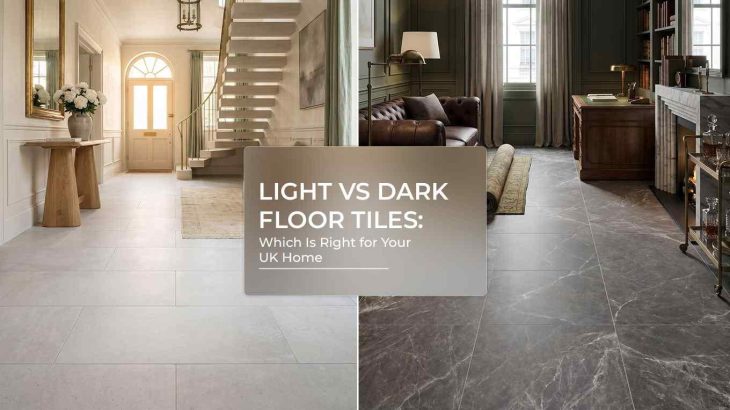
Narrowed it down to the tile type and search whether to choose light or dark floor tiles? There is no universal answer for the best floor tiles in your living spaces. It eventually comes down to the space, light exposure and lifestyle that you want to live.
Let’s discuss the basics first. Light floor tiles make rooms appear larger, calmer and airier. On the contrary, dark floor tiles create a sense of depth, warmth and drama if used effectively.
The difference isn’t merely in the aesthetics but in how comfortable the space is to live in and how it feels to you and the people visiting your home.
This guide compares all four things that actually matter: style, maintenance, room suitability, and resale, so you can pick with confidence rather than guesswork.
The Psychology Behind The Light and Dark Floors
The brain reacts to the tone of the floor when you walk into any room and uses it to judge the comfort, openness and balance of the room. The colour of the indoor floor tiles affects the room size perception, the visual and emotional foundation of your home, and how each colour shapes the mood and long-term satisfaction of the people living in the house.
Light Tiles
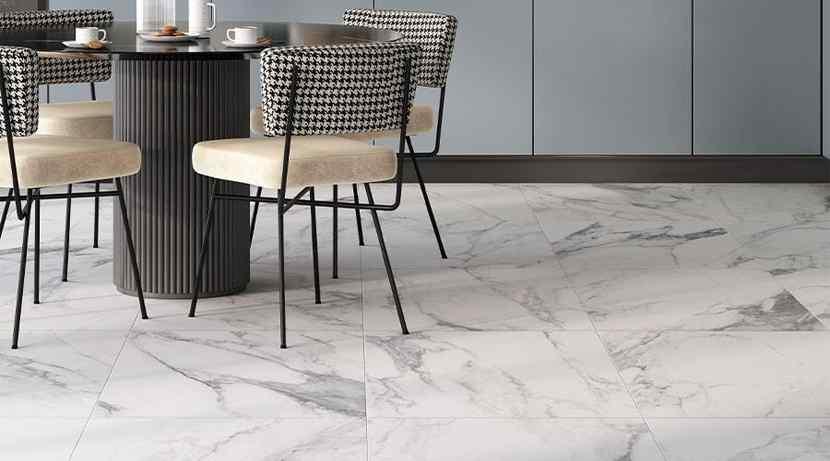
Light floor tiles, including whites, greys, and beiges, make small rooms or dark rooms feel larger and brighter. Light tiles give a sense of space to the brain and keep attention in the rest of the room.
It hides the dust better than one can think; however, it shows dark hair, mud flecks, and dropped crumbs pretty easily.
Dark Tiles
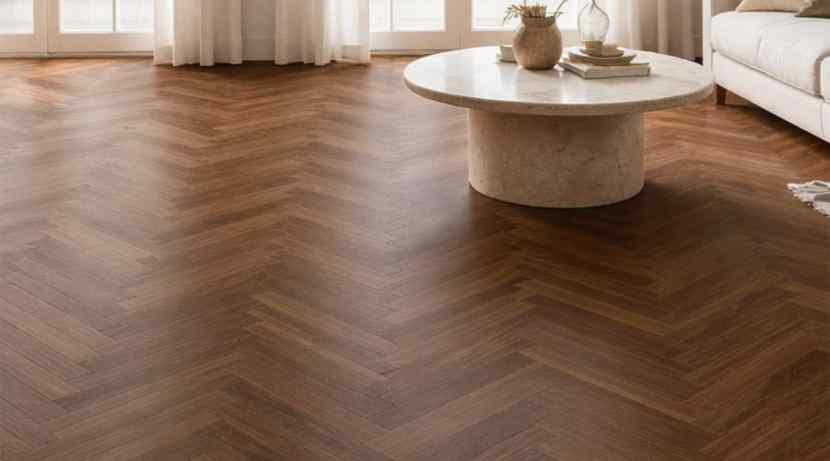
Dark floor tiles are a bold choice for flooring. Dark colours like charcoal, black, and deep grey add drama and make a statement while hiding dirt and stains well. Dark floor tiles grab attention and give the brain signals of space and comfort when you enter a home.
However, it shows dust, water spots, light scuffmarks, and can make any small space in your home feel boxed in.
Quick Answer: Use white or beige floor tiles for small and low-light rooms that need easy visual maintenance of debris, and dark-toned tiles for statement spaces, large rooms requiring zoning, and spaces that need to hide stains rather than dust.
Style & Mood: What Each Colour Does to a Room
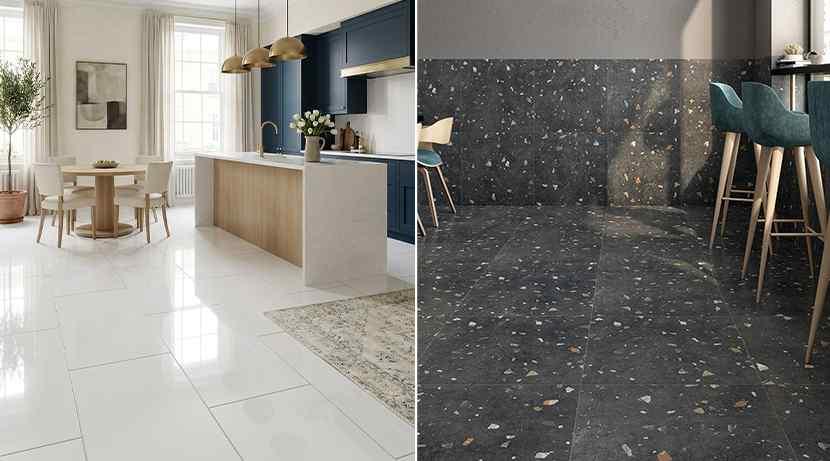
When it comes to home styles, light and dark flooring do completely different jobs.
Light Floor Tiles
Light tiles for floors bounce natural as well as artificial light around the room, and that is why they are the default recommendation for north-facing kitchens, narrow hallways and box bathrooms.
Dijon limestone floor tiles read as neutral and have a higher resale value than dark tiles in your home. They not only appeal to the buyers but also photograph well for listings.
Dark Floor Tiles
Dark tiles do the opposite of what light tiles do. Where light tiles open the space and look minimal, dark tiles make the floor the centre of attention.
They ground the room, add the perfect contrast against light walls or cabinetry and give large open spaces definition that they otherwise lack. If you or your client has a large kitchen-diner with good natural light, anthracite porcelain floor tiles look genuinely high-end rather than heavy.
Our Take: If you are still unsure, look at your space and the light source before you look at any tile brochure at our Royale Stones showroom or talk to our experts for personalised advice.
Practicality & Maintenance: The Question Everyone Underestimates
This is the section people skip and then regret. Colour choice has a real day-to-day cost.
| Factor | Light Tiles | Dark Tiles |
| Dust & pet hair | Barely visible | Very visible |
| Mud, dirt, footprints | Visible, especially matte finishes | Well hidden |
| Water spots & limescale | Barely visible | Visible on polished finishes |
| Grout maintenance | Grout shows dirt over time | Grout less noticeable |
| Best finish for hiding wear | Textured/matte | Matte or honed (polished shows every smear) |
If you have children around or have a huge family living in one home, this table sums up all the important points.
There’s no colour that’s low-maintenance across the board; you are just choosing which one is worth the mess.
Room Suitability: Matching Colour to Space
So, the question remains which colour is suitable for which space?
- Kitchen: Light-coloured tiles suit smaller or darker kitchens. Light tiles for kitchens hide flour, dust and daily stains less than expected, but dark tiles are better at disguising food and grease marks near cookers.
- Bathrooms: Light tiles are safer in small bathroom spaces without windows. They stop the space from feeling like a cave. Avoid dark and polished bathroom tiles if you live in a hard water area.
- Living Rooms: Either works, but dark tiles paired with rugs and warm lighting create a more layered, considered look. Light tiles keep an open-plan living space feeling continuous and airy.
- Hallways & Entryways: Practically speaking, dark tiles hide the mud and grit UK weather brings in far better than light ones.
What This Looks Like in Real UK Homes
Here are some of the amazing results our clients have shared using our porcelain tiles indoors:
Bathroom Renovation by PremiumHomeRenovations
@premiumhomerenvations has shared their project where they have used our black porcelain tiles for floors and light marble-effect tiles for walls to give the floors an inspirational look while keeping everything else simple.
Bathroom Renovation By OurGritStoneHome
A beautiful bathroom created using our Texas sand-chiselled antique porcelain tiles.
A perfect combination of 900×600 mm on the floor and 600×400 mm on the wall makes these tiles a perfect choice.
Light vs Dark Floor Tiles: Full Comparison
| Light Floor Tiles | Dark Floor Tiles | |
| Best for | Small rooms, low-light spaces, resale value | Large rooms, statement looks, and hiding stains |
| Pros | Brightens space, feels larger, neutral resale appeal | Hides dirt/stains, dramatic, hides scratches on matte finishes |
| Cons | Shows dirt, hair, and footprints | Shows dust, water spots, limescale |
| Ideal rooms | Bathrooms, small kitchens, hallways (low mud areas) | Large kitchen-diners, living rooms, and entryways |
| Maintenance | Regular sweeping/vacuuming | Regular dusting, watch for water spots |
Explore Our Light Porcelain Tiles:
Explore Our Dark Porcelain Tiles:
Get a Closer Look Before You Decide
Photos and screens rarely show the accurate tile colour, tone, veining and texture. The colours and textures vary by lighting and screen calibration. Make sure to do the following before committing to a tile for your indoor living spaces:
- Order samples and view in your own room, with day/night lighting.
- Visit our Showroom to see full-size slabs and tiles side by side.
- Talk to the Royale Stones expert team about installation guidance, colour, finish, slip resistance and how visible marks will be.
Related Reading
- Trending Bathroom Colours
- Bathroom Tile Ideas
- Black and White Floor Tile Ideas for Modern Homes
- Reasons to Choose Checkerboard Floor Tiles
FAQs On Light and Dark Floor Tiles
Do dark floor tiles make a room look smaller?
They can – in small, low-light rooms, but in larger spaces with good natural light, dark tiles add depth and definition rather than shrinking the room visually.
Are light or dark tiles easier to clean?
Neither is easier overall — light tiles show hair and footprints more; dark tiles show dust and water spots more. Matte finishes hide daily wear better than polished ones, regardless of colour.
What colour floor tiles add the most value when selling a house?
Light, neutral tiles tend to have broader buyer appeal and photograph better for listings, though this varies by local market and property style.
Can I mix light and dark tiles in the same home?
Yes. Many UK homeowners use light tiles in bathrooms and hallways and dark tiles in kitchen-diners or living rooms, using the transition between rooms as a natural break point.