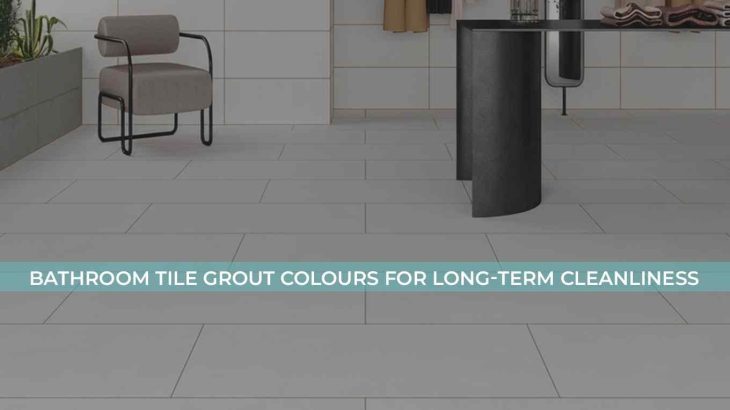
You get excited when it comes to selecting your bathroom tiles or do it for a client who wants a clean and beautiful bathroom space; however, have you given any consideration to the grout colour you select? Grout colour is where most bathroom renovations and transformations go wrong, and those mistakes can cost you a lot. Bathroom tiles define the look of your bathroom, but the grout determines how clean your bathroom is going to look in five, ten or fifteen years’ time.
Hard water, condensation, everyday foot traffic, dust, soap residue and the UK’s damp climate put your grout under a lot of pressure. But if you select the most compatible bathroom tile grout colours, you check all the requirement boxes, including aesthetics, but also long-term cleanliness, maintenance and hygiene.
Let’s break down what grout colour works best for bathrooms, how to pair grout with tiles perfectly and which choice will actually keep your bathroom looking fresh over time.
Why Grout Colour Matters More Than You Think
Your tile may not be porous, but the grouts are, by nature. Even high-quality grout will absorb moisture, soap, residue and minerals, which makes it change its colour over time before the tiles do.
The wrong grout choice can:
- Show mould and limescale quickly
- Make a bathroom look dirty even when it’s clean
- Require frequent scrubbing or regrouting
- The right grout colour, however, can:
- Mask everyday dirt and water marks
- Reduce visible staining
- Extend your bathroom tile’s visual life
Thus, choosing grout colour is all about the cleanliness decision first and then the design decision.
Best Bathroom Tile Grout Colours for Long-Term Cleanliness
Grey Grout: The UK Favourite for a Reason
Grey tile grout is by far the most practical choice for bathrooms in the UK
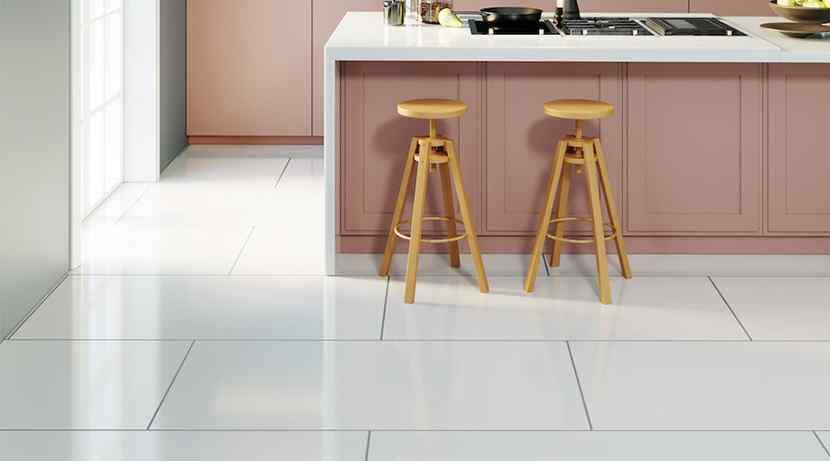
Why Grey Grout?
- Hide dirt, soap residue and hard water easily
- Mask the signs of mould better than any grout colour, including white grout
- Works with almost all tile colours
- Ages evenly instead of discolouring in patches
From light silver tones to mid-grey and charcoal, grey grout offers flexibility. It’s especially effective for bathroom floor tile grout, shower areas, and family bathrooms with daily use.
Grey grouts are best for all colour bathroom floor tiles, including grey, white, stone effect tiles and concrete look tiles, showers and wet rooms, and bathroom wall tiles.
Beige and Neutral Grout: Ideal for Warm Tile Tones
If you are going with beige, cream, travertine or limestone effect tiles, your first choice should be warm, neutral grout colours. They perform better with light colour tiles and better than stark white.
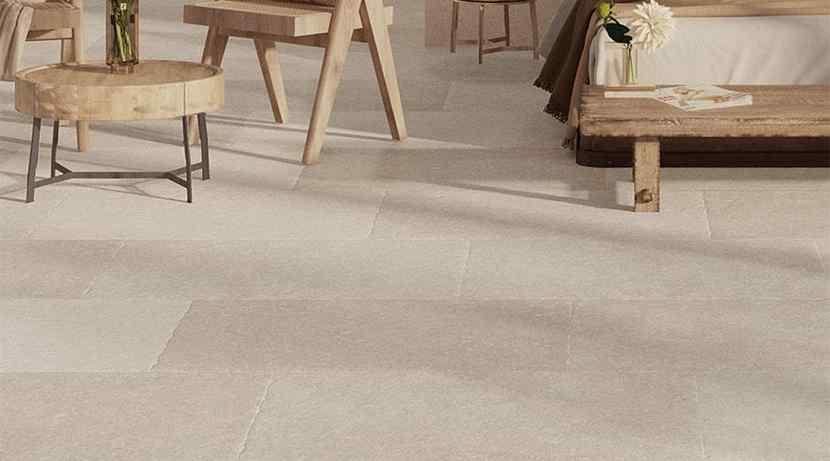
Why does neutral grout last longer?
- Blends naturally with stone-effect tiles
- Less likely to show yellowing over time
- Softer appearance than bright white grout
Neutral grout tones are particularly popular and used with limestone-effect bathroom tiles and other natural stone-effect indoor tiles in traditional UK homes and spa-style bathrooms where warmth is important.
White Grout: Beautiful but High Maintenance
White grout looks clean and crisp when new, but it’s the least forgiving grout colour long-term.
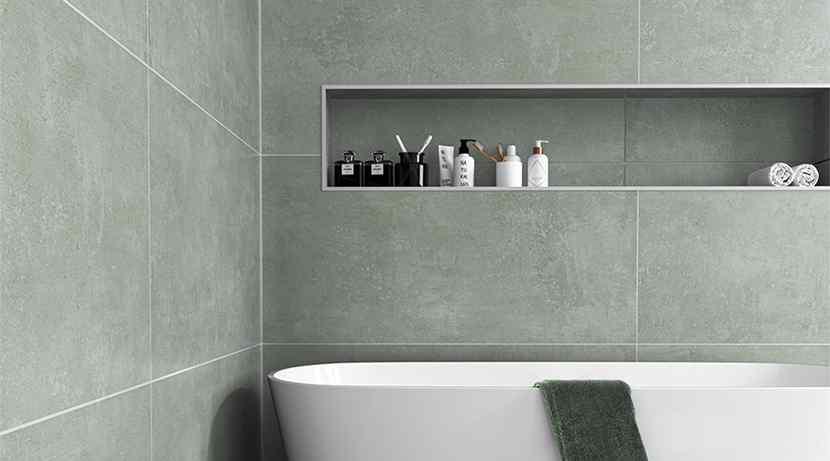
Challenges with white grout:
- Shows stains, mould, and water marks quickly
- Discolours unevenly over time
- Requires sealing and regular maintenance
White grout can work on low-traffic indoor wall tiles or feature walls behind your vanity units, but is rarely recommended for floors or shower areas unless frequent upkeep is expected.
Charcoal and Dark Grout: Stylish but Strategic
If you want to go bold or define the bathroom tiles, dark grout colours in charcoal and anthracite are some of the most popular choices in modern bathrooms.
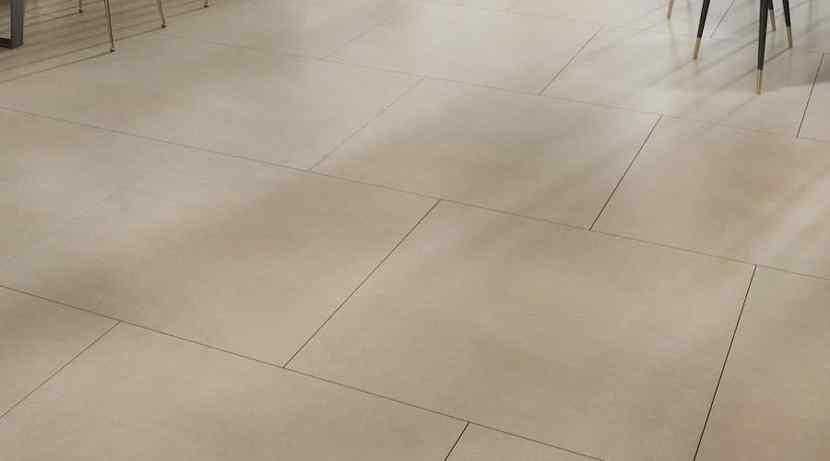
| Pros of Dark Grouts | Cons of Dark Grouts |
| Excellent at hiding stains | Can show limescale streaks in hard water areas |
| Strong contrast with light tiles | Makes small bathrooms feel darker if overused |
| Contemporary, bold look | Best used intentionally rather than everywhere. |
Tile and Grout Colour Combinations That Stay Cleaner
Not all grout colours suit all tile colours. You are choosing the best tiles for bathrooms in your home. You need to be as careful while selecting your grout colour.
Light Tiles with Mid-Grey Grout
This is one of the most reliable combinations for UK bathrooms.
- Keeps joints visually clean
- Soft contrast avoids harsh grid patterns
- Works perfectly with cream,light grey and white bathroom tiles.
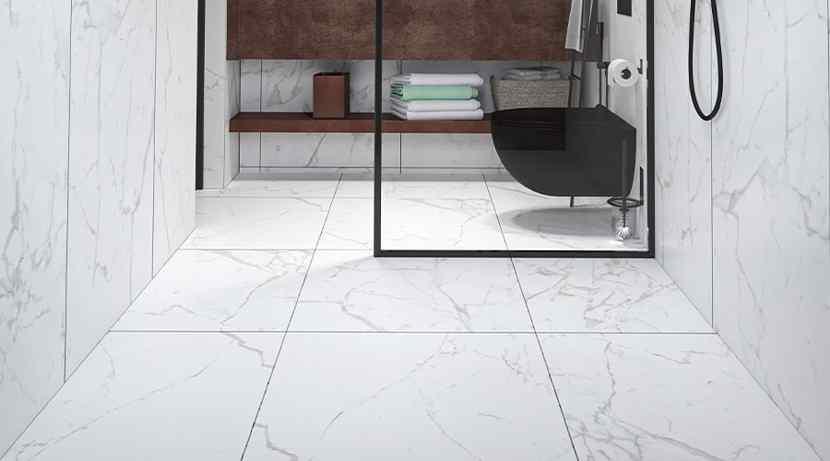
It is ideal for you if you want a fresh look in your bathroom without the headache of a lot of maintenance.
Matching Tile and Grout Shades
Using grout close to your tile colour creates a seamless, calm look.

Benefits
- Minimises visual grout lines
- Makes small bathrooms feel larger
- Dirt is less noticeable
This approach works especially well for large-format indoor wall tiles.
Dark Tiles with Dark Grout
A bold, modern option that works best in:
- Large bathrooms
- Well-lit spaces
- Feature walls
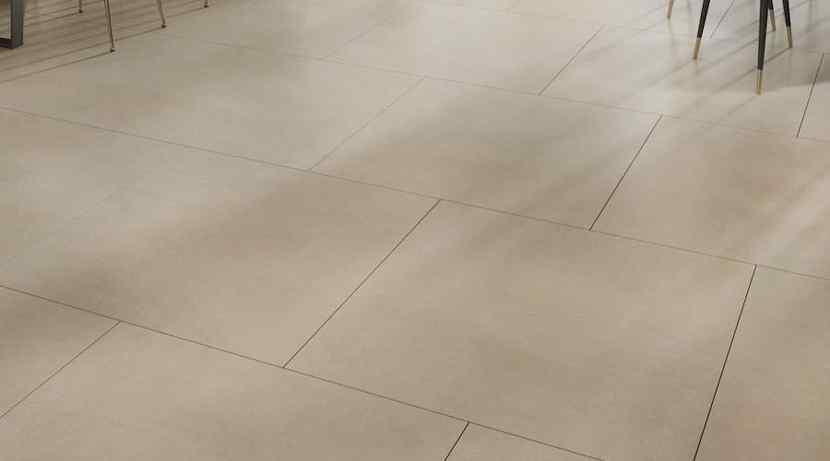
This combination hides dirt effectively but should be balanced with lighter elements elsewhere.
Bathroom Floor Tile Grout: What Works Best Underfoot
Bathroom floors are some of the most used spaces and faces most wear, water exposure and dirt transfer.
Here are some of the best grout colours for bathroom floors you should consider choosing:
- Mid-grey
- Warm grey
- Beige-neutral
Avoid white grout on floors unless the bathroom is rarely used. Flooring grout should prioritise practicality over contrast.
Shower Grout Colours That Resist Mould
Showers create the harshest conditions for grout as they face direct water almost every day.
Best shower grout colours
- Grey grout
- Natural stone grout tones.
When you pair your bathroom wall tiles and floor tiles with high-quality grout and proper ventilation, they significantly reduce visible mould compared to white grout colours.
Tile Grout Colour Chart: An Overview
This simple tile grout colour chart covers most UK bathroom scenarios.
| Tile Colour | Best Grout Colour | Cleanliness Rating |
| White tiles | Light to mid grey | Excellent |
| Grey tiles | Matching grey | Excellent |
| Beige tiles | Warm neutral | Very good |
| Dark tiles | Dark grey or charcoal | Very good |
| Patterned tiles | Neutral grey | Excellent |
How to Choose Grout Colour for Bathroom Tiles
It is just as critical to choose bathroom tile grout as it is to select bathroom wall and floor tiles, and pair them to match your aesthetic and practical needs.
Here is a quick guide on choosing the best bathroom tile grout. Choose your grout based on:
- Tile colour and size
- Room size and lighting
- Usage level (family vs guest bathroom)
- Maintenance expectations
If you are still not sure which one to choose, go for mid grey grout for cool tone bathroom tile colours and neutral for cream, beige, and off-white bathroom tiles.
Long-term Maintenance for Clean Grout
If you want to keep your bathroom tile grout clean and fresh for years, here is what you need to do:
- Using pH-neutral grout residue remover and tile cleaners
- Avoiding harsh bleach on coloured grout
- Ensure that your bathroom has proper ventilation
- Reseal your grout every year.
Conclusion
Bathroom tile grout colours play one of the most crucial roles in keeping the fresh and clean look of your bathroom, even more than any UK homeowner may expect. While trends change, if you choose the correct bathroom tile grout, you make your bathroom look timeless even after decades of frequent use.
In UK bathrooms, grey grout is best for maintaining style and cleanliness. Neutral tones suit all traditional and modern homes, and as much as white tile grout looks beautiful, you should use it sparingly and intentionally.
When you pair Royale Stones premium bathroom tiles with high-quality grout and proper installation, you ensure that your bathroom is clean, fresh and well-maintained for years to come.
FAQs About Bathroom Tiles Grout Colours
Should Grout Be Lighter or Darker Than Tiles?
Here are some of the best grout-tile pairing ideas: slightly darker grout than tile works best if you want your tiles to define the bathroom. Matching tile and grout works best for large tiles creating a seamless look. Avoid very light grout colours with dark tiles unless intentional and decorative.
Can you grout over old grout?
No, in most cases. New grout bonds properly on neat, clean and porous surfaces. You need to remove old grout and regrout to avoid cracking and failure.
Do grout pens really work?
Yes, they do but temporarily. They improve the look of the bathroom instantly but for a short term. They do not fix mould or any structural issues and wear off very easily in wet and high traffic bathroom spaces. They are better to be used on the walls and for small touch ups but not for long-term fixes.