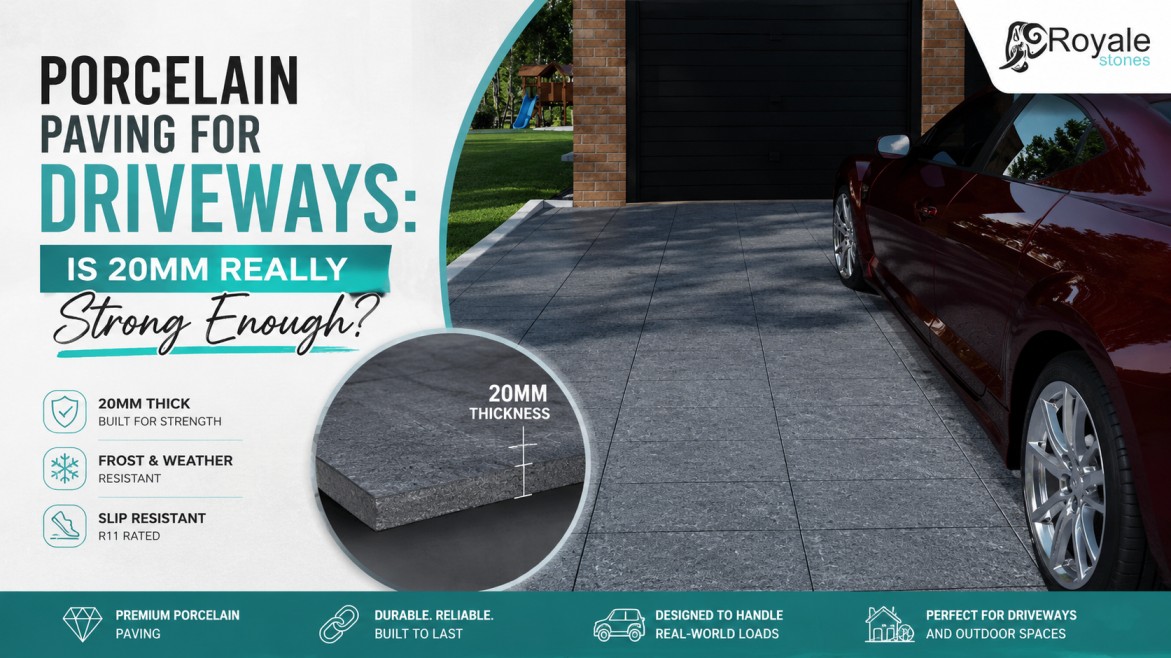
Porcelain Paving for Driveways: Is 20mm Really Strong Enough?
Driveways take a battering that most garden paving never has to face. Cars, delivery vans, bins being dragged across the surface, and constant British weather all put real strength to the test. So when homeowners start looking at porcelain paving for a driveway, one question comes up again and again: is 20mm porcelain actually strong enough to take the weight of a vehicle, day after day, year after year?
The short answer is yes, provided it is genuine 20mm outdoor-grade porcelain, laid correctly on the right base. Here's what that actually means in practice.
Why Thickness Matters More Than You'd Think
Not all porcelain is created equal. Indoor porcelain tiles are typically 8mm to 10mm thick, designed purely for foot traffic on a flat, supported floor. Once you move outdoors, and especially onto a driveway, that thickness simply cannot cope with vehicle loads, ground movement, or repeated freeze-thaw cycles.
This is why every reputable UK supplier, including Royale Stones, sells outdoor paving slabs at a minimum of 20mm thickness. At this depth, porcelain is manufactured using high-pressure compaction and fired at extremely high temperatures, giving it a breaking strength that comfortably exceeds what a domestic driveway will ever demand. It's the same 20mm standard used across garden patio tiles and general garden paving, simply put through more rigorous quality checks for load-bearing use.
The Technical Case for 20mm Porcelain
Three properties determine whether a paving material can handle a driveway:
Breaking strength. Quality 20mm porcelain slabs are pressed under thousands of tonnes of force and fired at temperatures around 1200°C, giving them a breaking strength well in excess of what's needed to support car and light van traffic when laid on a proper sub-base.
Water absorption. This is where porcelain has a genuine edge over many natural stone alternatives. The market standard for outdoor porcelain sits below 0.5% water absorption, and premium ranges often perform even better than that. Low absorption means less water sits inside the material to freeze, expand, and crack the slab during a cold snap — a common cause of driveway damage over a British winter.
Slip resistance. A driveway gets wet, oily, and muddy far more often than a patio. Look for an R11 slip rating as standard; this is designed to provide safe grip even in wet or greasy conditions, which matters when you're carrying shopping bags across it in the rain.
Where 20mm Porcelain Can Fall Short
To answer this fairly, it's worth being upfront about the limitations too, since not every project is suited to it in the same way.
Sub-base preparation is non-negotiable. Porcelain's strength comes from the slab itself, not from any flexibility in the material. If the sub-base beneath it isn't properly excavated, compacted, and constructed to the correct depth for vehicular loading, even the strongest paving slabs will crack, sink, or shift under a car's weight. This isn't a shortcut project, it needs a proper MOT Type 1 sub-base and full mortar bed installation.
Heavier vehicles need specialist advice. Standard 20mm porcelain is well suited to cars and light domestic vehicles. If your driveway regularly takes larger vans, motorhomes, or heavy machinery, it's worth discussing project-specific specifications before ordering.
Cutting requires the right tools. Porcelain is dense and hard, which is exactly what makes it durable, but it also means it needs a proper porcelain-rated diamond blade and an experienced installer. This is a job for a professional tiler or landscaper, not a weekend DIY cut.
Porcelain vs Other Driveway Materials
If you're comparing options, here's how 20mm porcelain paving stacks up:
- Vs granite paving slabs – Granite is naturally one of the hardest, most frost-resistant stones available, and remains an excellent driveway choice where a heavier, more traditional look is preferred. Porcelain offers comparable durability with a wider range of contemporary finishes and generally lower long-term maintenance.
- Vs block paving – Block paving flexes slightly with ground movement, which some installers see as an advantage on driveways. Porcelain, laid correctly on a solid mortar bed, offers a cleaner, more seamless finish with fewer joints to maintain.
- Vs slim sett pavers – Slim setts work brilliantly for edging, borders, or defining the transition between a driveway and garden paving, but aren't intended to carry vehicle loads on their own. Many homeowners pair full-size 20mm porcelain for the main driveway area with slim sett pavers as a border detail.
What About the Look?
Strength doesn't mean sacrificing style. Porcelain paving is available in a wide range of finishes, from clean contemporary greys to natural stone-effect designs. If your driveway leads onto a patio finished in something like Dijon Limestone, a limestone-effect porcelain in a matching tone can create a seamless, high-end look from the front of the house right through to the garden, without the sealing and upkeep that natural limestone requires outdoors.
Final Verdict: is 20mm Porcelain Strong Enough for a Driveway?
Yes, genuine 20mm outdoor-grade porcelain, correctly installed on a proper sub-base, is more than strong enough for a standard domestic driveway. Its low water absorption, high breaking strength, and slip resistance make it a genuinely durable choice for UK weather conditions, not just a patio material dressed up for a bigger job.
The two things that make or break the result are the quality of the porcelain itself and the standard of the groundwork beneath it. Get both right, and a porcelain driveway can outlast and outperform many traditional alternatives with a fraction of the maintenance.
Thinking about a porcelain driveway? Explore Royale Stones' full range of porcelain paving, garden paving, and paving slabs online, or visit one of our UK showrooms to see samples and finishes in person before you order.
- Bathroom Tiles
- Porcelain Paving
- Bathroom Vanity Units
- Floor Tiles
- Garden Paving
- Kitchen Tiles
- Wall Tiles
- Porcelain
- Paving Slabs
- Onyx Tiles
- Natural Stone Paving
- Anti Slip Tiles
- Terrazzo Tiles
- Marble Tiles
- Uncategorized
- Outdoor Tiles
- Exterior Floor Tiles
- Outdoor Porcelain Tiles
- Sandstone Paving
- Wood Effect Paving
- Brick Effect Tiles
- Paving
- Bathroom Basins
- Vinyl Flooring
- acoustic wall panels
- Indoor Tiles
- Stone Effect Wall Tiles
- Porcelain Paving Slabs
- Slate Effect Tiles
- Inside Out Tiles
- Concrete Effect Tiles
- External Wall Tiles
- Wood-Effect Tiles
- Victorian Floor Tiles
- Luxury Tiles
- Knowledge Base
- Porcelain Tiles
- Vanity Units
- Dijon Limestone
- Outdoor Porcelain Paving
- 3D Split face Wall Tiles
- porcelain pavers
- Slabs
- Outdoor onyx porcelain tiles
- Granite Effect Wall Tiles
- Brick Effect Floor Tiles
- Onyx Porcelain Tiles
- Terrazzo Porcelain Tiles
- Brick Effect Wall Tiles
- Wooden Flooring
- Italian Outdoor Porcelain Paving
- Bathroom Floor Tiles
- Travertine Effect Wall Tiles
- Slate Effect Wall Tiles
Recent Post
-
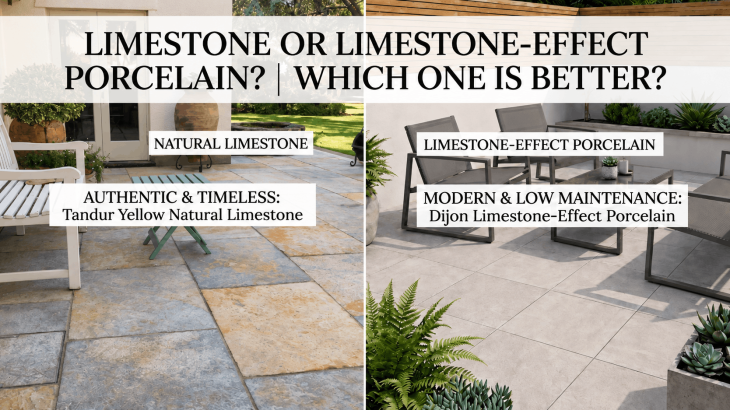
Limestone OR Limestone-Effect Porcelain – Which One Is Better?
October 9th, 2026 -
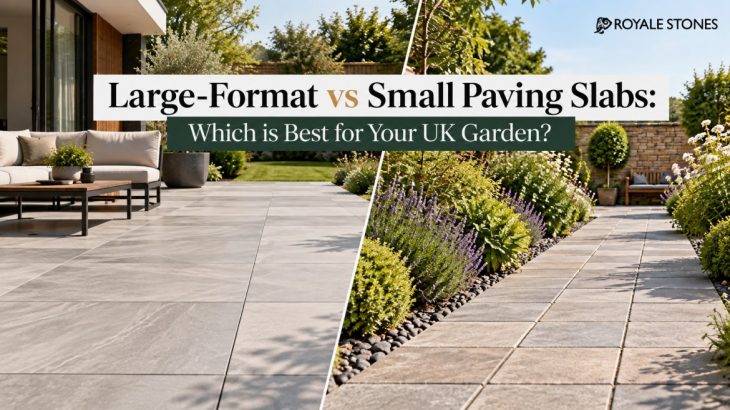
Large-Format vs Small Paving Slabs: Which is Best for Your UK Garden?
October 9th, 2026 -

Low-Maintenance Patios: Why More UK Homeowners Are Choosing Porcelain
September 22nd, 2026