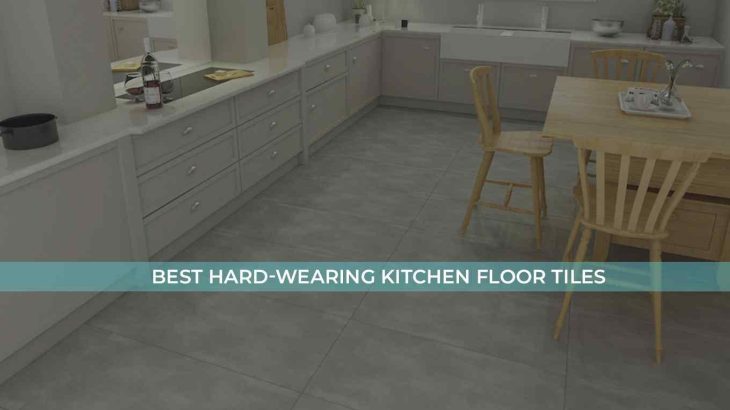
At Royale Stones UK, we’ve spent over 14 years working alongside interior designers, architects, landscapers, and homeowners specifying durable kitchen flooring for real UK homes. Kitchens are no longer closed-off service rooms; they are the most heavily used living spaces in the house. Choosing the best hard-wearing kitchen floor tiles is therefore a technical decision as much as a design one.
In the UK climate, where wet weather, fluctuating temperatures, and muddy shoes are part of everyday life, kitchen tile flooring must cope with moisture, heavy foot traffic, and constant cleaning without compromising on appearance.
Porcelain kitchen floor tiles are the default recommendation for most households, where natural stone or ceramic can still work. We will explain why and how to avoid common specification mistakes we regularly see on renovation projects involving indoor floor tiles.
In this expert guide, we will help you:
- Understand what affects kitchen flooring performance
- Compare porcelain, natural stone, and ceramic tiles honestly
- Choose tiles suited to UK living conditions
- Avoid costly specification and installation mistakes
Why Kitchen Flooring Needs to be Especially Hard-wearing
Kitchen floors endure more abuse than almost any other surface in the home. In UK households, this typically includes:
- High foot traffic from family members and guests
- Frequent spills, steam, and temperature changes
- Pets moving between the garden and the kitchen
- Heavy appliances and dropped cookware
Unlike wall tiles, kitchen floors must resist impact, staining, abrasion, and moisture simultaneously. Poor material choices often look tired within a few years, particularly in open-plan kitchens where wear is distributed unevenly across walkways and door thresholds.
The Balance Between Durability, Style, and Practicality
The best flooring for a kitchen is not simply the hardest material available. It must balance:
- Long-term durability
- Ease of maintenance
- Slip resistance
- Design compatibility with cabinets, worktops, and layout
From our experience at Royale Stones, most issues arise when homeowners prioritise aesthetics over performance, particularly when influenced by social media trends or unsuitable imported materials.
What Affects the Choice of Kitchen Flooring?
You do not pick what you like for your kitchen floors. You need to consider a number of things before making a decision.
Budget & Long-Term Value
Initial cost should never be viewed in isolation. A cheaper tile with a short lifespan often costs more over time due to replacement, repairs, or increased maintenance.
Porcelain kitchen floor tiles typically offer the best value due to their longevity, minimal maintenance, and resistance to wear. Natural stone may cost more initially and require ongoing sealing, while ceramic can be economical but has performance limitations in busy kitchens.
Durability & Wear Resistance
Kitchen flooring must withstand:
- Constant foot traffic
- Dragged chairs and stools
- Dropped utensils and cookware
PEI ratings (abrasion resistance) are critical here. For kitchens, we generally advise PEI Class 4 or 5 tiles, most commonly achieved with porcelain.
Kitchen Size & Natural Light
Tile size, colour, and finish directly affect spatial perception. Larger-format tiles reduce grout lines and create a calmer, more continuous floor, particularly effective in open-plan kitchens.
Colour choice also matters. For guidance on tones that perform well visually and practically, see our advice on best kitchen tile colours.
Heating & Comfort
Most modern UK kitchens now include underfloor heating. Tile flooring is ideal for this, but material choice affects performance:
- Porcelain conducts heat efficiently and evenly
- Stone retains warmth but heats more slowly
- Ceramic can work, but is less consistent in thicker formats
Style & Interior Design
Kitchen floors must complement cabinetry, worktops, and adjacent wall tiles. We regularly advise designers on pairing wall and floor tiles to maintain visual balance without sacrificing practicality.
Ease of Installation
Tile thickness, subfloor condition, and layout complexity all affect installation. Porcelain requires professional fitting but delivers superior results long term. DIY-friendly materials often lead to alignment issues, cracked tiles, or uneven finishes.
What to Avoid with Kitchen Floor Tiles
From years of project troubleshooting, these are the most common mistakes:
- Polished tiles without adequate slip resistance
- Ignoring ongoing maintenance requirements
- Choosing tiles based on appearance only
- Light-coloured grout in high-traffic kitchens
- Overlooking tile thickness and subfloor preparation
Best Types of Kitchen Floor Tiles
When considering practical kitchen flooring, three tile materials dominate the UK market:
- Natural Stone Floor Tiles (Limestone, slate, travertine, marble)
- Porcelain Floor Tiles (Full-body and glazed porcelain)
- Ceramic Kitchen Tiles (Traditional glazed ceramic options)
Natural Stone Kitchen Floor Tiles
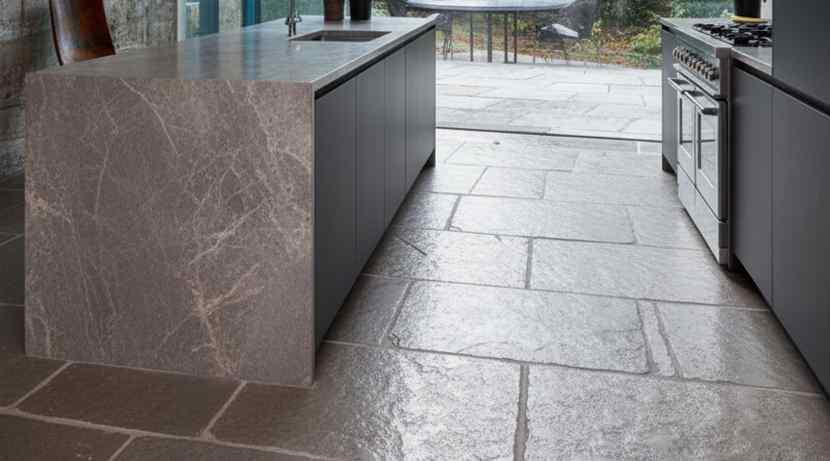
Natural stone offers unique character and variation that many homeowners love.
Performance & Suitability
Stone can work well in kitchens but requires sealing and careful maintenance. It is better suited to lower-traffic households or design-led spaces.
Best stone types
- Slate (most durable)
- Limestone
- Travertine
| Pros of Natural Stones for Kitchens | Cons of Natural Stone for Kitchens |
| Authentic appearance | Requires sealing |
| Adds property value | Prone to staining |
| Works well in period homes | Less forgiving in busy kitchens |
Ceramic Kitchen Floor Tiles
Ceramic tiles remain popular for budget-conscious kitchen projects.
Performance
Ceramic is lighter and less dense than porcelain, making it more susceptible to chipping under heavy impact.
| Pros of Ceramic Floor Tiles for Kitchen | Cons of Ceramic Floor Tiles for Kitchen |
| Affordable | Lower durability |
| Wide range of designs | Higher water absorption |
| Shorter lifespan in high-traffic kitchens |
Porcelain Kitchen Floor Tiles (Best Tiles For Kitchens)
Porcelain is the benchmark for hard wearing kitchen flooring in the UK.
Why is porcelain ideal?
- Extremely low water absorption
- High density and strength
- Excellent stain resistance
Styles Available
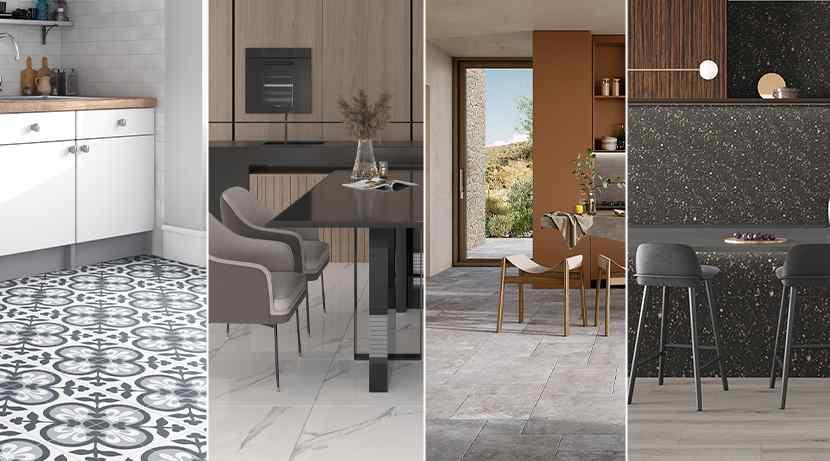
- Wood-effect Porcelain Tiles: They offer the natural beauty and warmth of real wood and the durability and low maintenance of porcelain.
- Concrete-effect Porcelain Tiles: They are best for giving your kitchen a minimalist look. Pair them with light wood furniture and brass or gold metals.
- Patterned Porcelain Tiles: They create a wow factor in your kitchen. They are best for open-plan kitchens where you need a focal point.
- Marble-effect Porcelain Tiles: They bring the elegance of marble without the high cost and maintenance requirements.
| Pros of Porcelain Floor Tiles for Kitchen | Cons of Porcelain Floor Tiles for Kitchen |
| Long lifespan | Higher upfront cost |
| Minimal maintenance | Professional installation recommended |
| Suitable for indoor–outdoor transitions |
From a supplier perspective, this is why Royale Stones UK specifies porcelain kitchen floor tiles for the majority of residential and commercial kitchen projects.
Porcelain vs Natural Stone in Kitchens
| Factor | Porcelain | Natural Stone |
| Durability | Excellent | Moderate |
| Maintenance | Low | High |
| Stain resistance | High | Variable |
| Cost over time | Lower | Higher |
| Busy households | Ideal | Limited |
Porcelain vs Ceramic Tiles for Kitchens
If you’re weighing up porcelain vs ceramic tiles, the difference lies in density, strength, and longevity. Porcelain is fired at higher temperatures, making it harder, less porous, and far more suitable for modern kitchens, especially in open-plan kitchens, often connected to dining areas, garden rooms, and outdoor paving.
Easiest Kitchen Floor Tiles to Clean
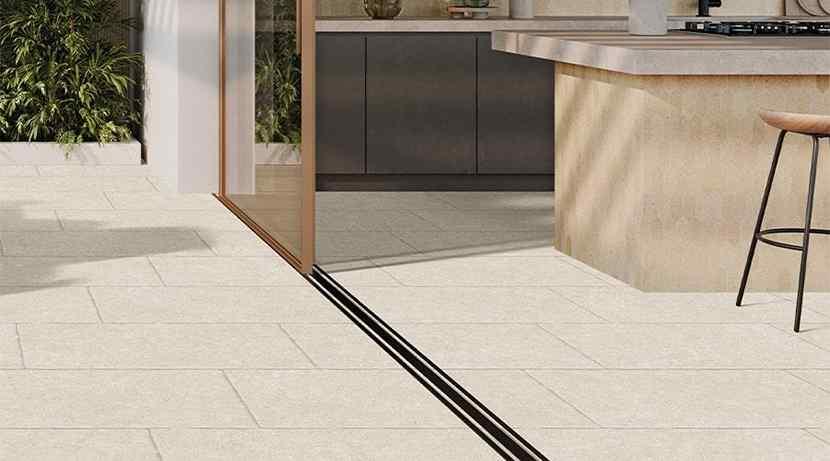
For low-maintenance kitchens, choose:
- Matt or satin porcelain finishes
- Mid-tone porcelain tiles that hide dirt
- Dark or colour-matched grout
Avoid polished finishes and high-contrast grout lines in busy family kitchens.
Quick Buying Tips for Hard-Wearing Kitchen Floor Tiles
- Choose porcelain as it is highly durable, does not stain, is low maintenance and lasts for decades.
- Look for PEI Class 4–5
- Check slip resistance ratings. It should rate R10 or above for good foot grip and avoid accidents.
- Opt for large-format porcelain tiles with minimal grout lines.
- Confirm underfloor heating compatibility
Conclusion
Choosing the best hard wearing kitchen floor tiles is about balancing performance, design, and long-term value. If you live in the UK or you are handling a UK kitchen project, you must understand that porcelain consistently delivers the best results for durability, ease of maintenance, and visual versatility. While stone and ceramic have their place, porcelain remains the most reliable choice for busy households.
At Royale Stones, we guide homeowners and professionals through this decision daily and provide some of the best porcelain kitchen floor tiles online and in our showrooms.
For your kitchen projects, your kitchen floor tiles must ensure that each specification is fit for purpose, not just fashionable.
FAQs about Hard-wearing Kitchen Floor Tiles
What is the most durable kitchen flooring for high-traffic homes?
Porcelain kitchen floor tiles are widely regarded as the most durable kitchen floor tiles available. Their dense composition, high PEI rating, and resistance to scratching and impact make them ideal for heavy foot traffic, pets, and busy family kitchens. Compared to ceramic or natural stone, porcelain offers superior long-term performance with minimal maintenance, making it the safest specification choice for demanding environments.
What is the best hard flooring for a kitchen in the UK climate?
In the UK, kitchen flooring must cope with moisture, temperature changes, and indoor–outdoor movement. Porcelain tiles perform best due to their extremely low water absorption and resistance to thermal expansion. While ceramic and natural stone can be used, they are more vulnerable to moisture-related issues. For durable kitchen flooring UK homeowners can rely on year-round, porcelain is the most stable option.
What is the best flooring for a high-traffic kitchen with children or pets?
Anti-slip porcelain kitchen floor tiles provide excellent grip underfoot, resist stains from spills or muddy paws, and do not require sealing. For kitchens with children or pets, the best flooring combines durability, slip resistance, and easy cleaning. Porcelain’s hard-wearing surface stands up to constant use, making it one of the most practical low-maintenance kitchen flooring options available.
What is the best flooring for a busy open-plan kitchen?
Open-plan kitchens require flooring that flows seamlessly across zones while handling uneven wear. Porcelain tiles are ideal for open-plan layouts as they can be used consistently from the kitchen to the dining and even towards outdoor paving areas. Their strength, visual consistency, and suitability for large formats make them the best tiles for open-plan kitchen designs where durability and cohesion are essential.
What is the best type of indoor flooring for long-term durability?
When comparing indoor flooring options, porcelain tiles offer the best balance of durability, maintenance, and design flexibility. Unlike timber or laminate, sealed porcelain tiles resist moisture and wear without refinishing. Compared to stone, they require less upkeep. For long-term durability across kitchens and living spaces, porcelain remains the most versatile indoor floor tile solution.