
Did you know? Egyptians were the first ones to use decorative ceramic tiles in the temples and tombs around 4000 BCE. After that, it became a very important design decision in the overall world, including UK homes, fast forward now. The way wall and floor tiles interact can completely change your space.
It depends on your indoor floor tiles and wall tiles whether you want to make your space feel larger, warmer, brighter or more cohesive. Poor tile pairing can lead to an overwhelmed room, awkward proportions and a more dated look than expected.
In this blog, we will explain how to pair wall tiles and floor tiles confidently for an indoor space. Here is a quick overview of what we will cover:
Why Wall and Floor Tile Pairing Matters Indoors
Indoor wall and floor tiles do more than just cover the surfaces. Together, they balance your home design, the flow and the atmosphere. If you pair it right, you can easily:
- Visually enlarge any small or awkward space
- Improve natural light reflection in darker rooms
- Create continuity between different zones of the home
- Increase the property value
- Make maintenance and cleaning easy
In UK homes, space and light vary significantly between regions and property types. Thus, it is very essential to pair indoor floor and wall tiles thoughtfully.
Core Principles for Matching Floor and Wall Tiles
If you follow the following core principles while matching floor and wall tiles, there is a very low chance that you will go wrong with it.
1. Balancing Contrast
Most successful tile pairing mostly involve contrast, but a controlled contrast, as it can clash if not properly done. A perfect contrast can be achieved through colour, texture, pattern, size, or finish.
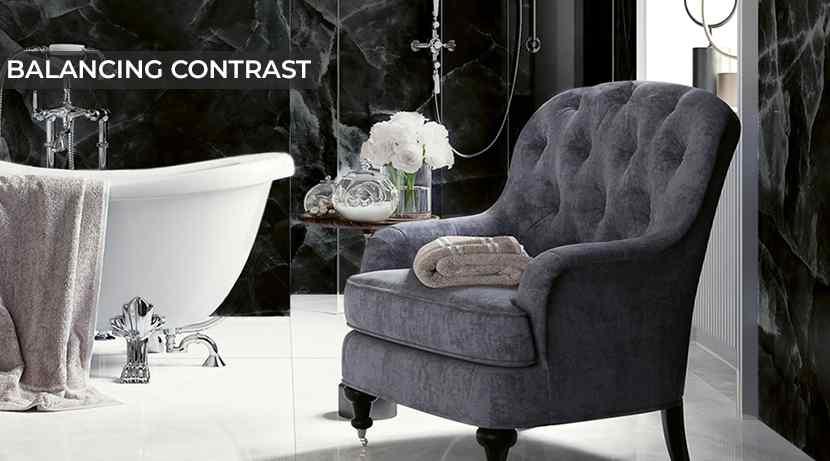
For instance, if you pair matte floor tiles with glossy wall tiles, they not only serve as the most functional but also complement each other visually.
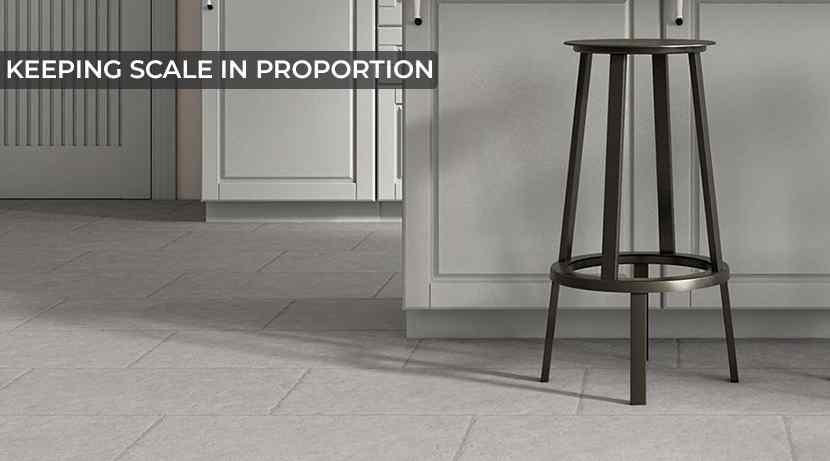
2. Keeping Scale in Proportion
If you have already decided on large-format floor tiles for your small rooms, do not pair them with bold wall tiles, as they can overwhelm them. For your compact spaces, pair your large floor tiles with simple wall tiles to create a more open feel.
3. Keep on Focal Point
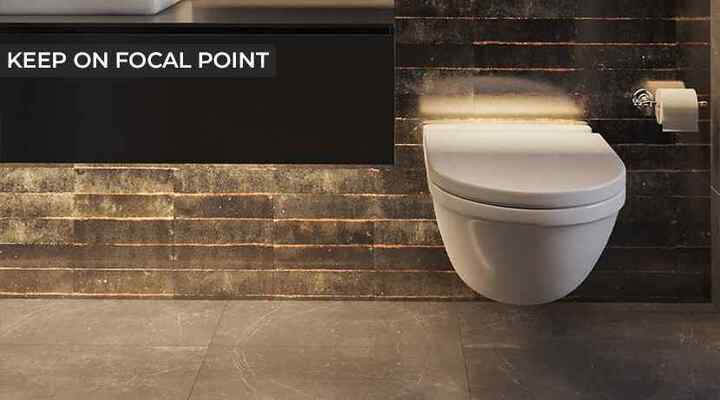
Do not let patterns compete with each other. If you have patterned floor tiles, keep your wall tiles simple. If your wall tiles are bold, choose an understated floor tile. This rule is especially important for bathrooms and kitchens.
Bathroom Wall and Floor Tile Pairing Ideas
How to pair tiles in bathrooms? An indoor space that has one of the most visual impacts with tile pairing is your bathroom. If you make any mistake (even a small one) with your bathroom tiles and overall design, it will definitely be noticed.
Matching Floor and Wall Tiles in Bathrooms
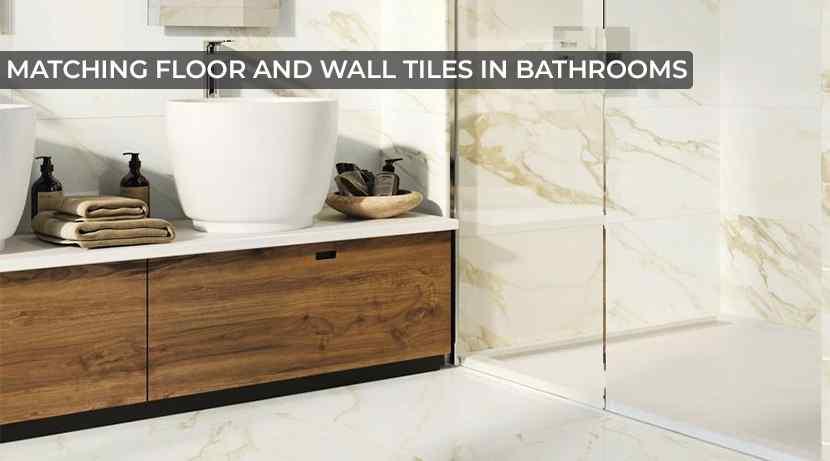
In the UK, the same bathroom tiles on the floor and wall are increasingly popular, especially in small bathrooms. By installing matching floor and wall tiles in bathrooms, you create a seamless and spa-like effect while removing any visual break, except, of course, the bathroom vanity unit.
Matching wall and floor tiles for the bathroom works particularly well with:
- Stone-effect porcelain
- Soft grey tiles
- Warm beige tones
For a small bathroom with the same indoor floor and wall tiles, choose light or mid-toned colours to avoid making your space feel congested.
Here is a detailed blog on modern indoor tile ideas for your home: Modern Indoor Tile Ideas to Transform Your Home Interior.
Wall Tiles and Floor Tiles for Small Bathrooms
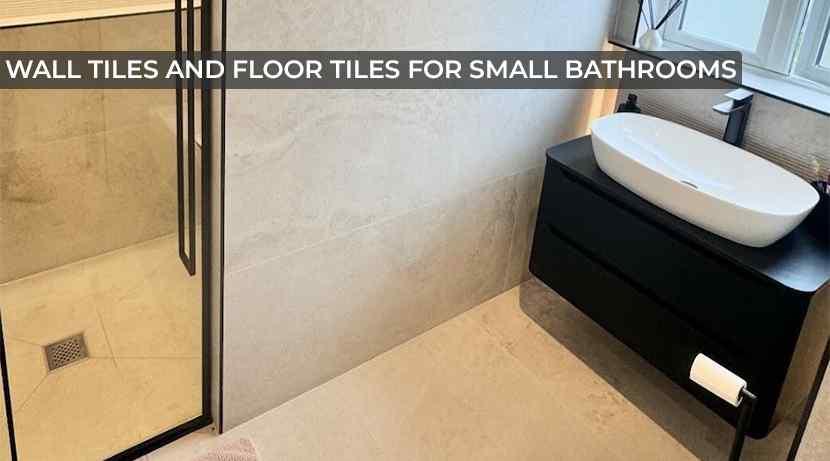
For your small bathrooms, use as light coloured bathroom wall tiles as possible to reflect light. Mid-toned or textured floor tiles look great and are safe to walk on. In bathroom tiles, too, avoid busy patterns on both floor and wall surfaces.
If you want to make your small bathroom feel bigger, choose large-format tiles in light colour and with minimal grout lines. Pair them with vertically stacked block wall tiles to visually increase ceiling height.
Pairing Tiles in a Bathroom Practically
In bathrooms, the most important factor is slip resistance, water resistance and ease of cleaning. Pair your glazed ceramic wall tiles with porcelain floor tiles to balance your personal style with performance according to UK conditions.
Kitchen Wall and Floor Tile Pairing Ideas
Kitchens require durable yet easy-to-maintain kitchen tile surfaces that still look good even after years of use.
Matching Floor and Wall Tiles in the Kitchen
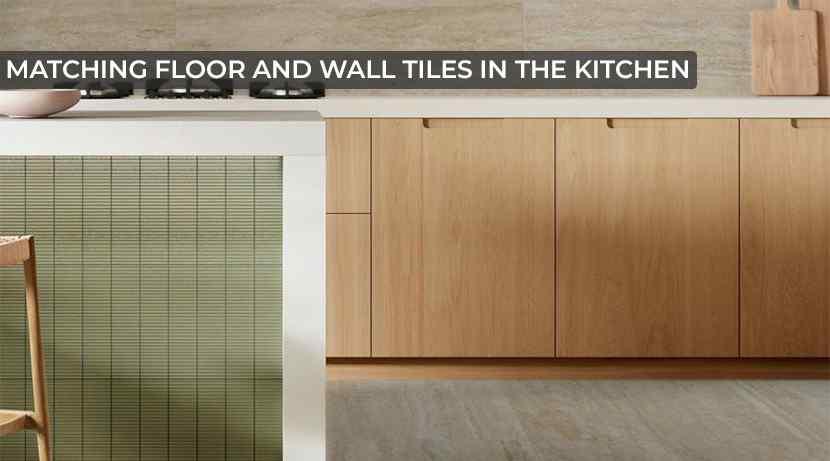
The kitchen floor experiences some of the most wear and tear; that is the reason you should pay special attention to pairing your kitchen floor tiles and kitchen wall tiles. Your kitchen tiles should complement each other rather than compete.
Here are some of the best colour combinations for floors and wall kitchen tiles in the UK:
- Stone-effect floor tiles with metro wall tiles
- Wood effect floor tiles with plain ceramic splashbacks
- Neutral floors paired with patterned feature walls
Kitchen Wall and Floor Tile Pairing for Open Plan Homes
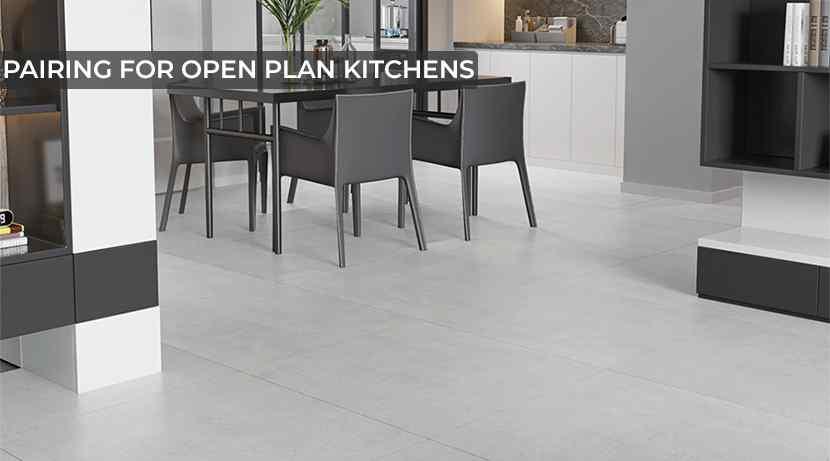
If you have an open plan layout in your home, tile continuity will matter a lot. Using the same or similar kitchen tiles across your kitchen and living room will unify your space, while wall tiles define the zones.
Matching indoor and outdoor floor tiles is also very common to be used in kitchen diners with garden access, creating a smooth transition between spaces.
Pairing Small Wall and Floor Tile
For the smaller room in your home, benefit from simple designs and visual flows. Here are some of our indoor floor and wall tile recommendations for you:
- Avoid heavy and multiple colour contrasts
- Keep your grout lines as minimal as possible
- Use consistent light tones
Use the same colour tiles or the same family tiles but in different finishes. For instance, matte floor tiles R11 on the floor and satin walls, they create impact without clutter.
Colour-Based Tile Pairing Ideas
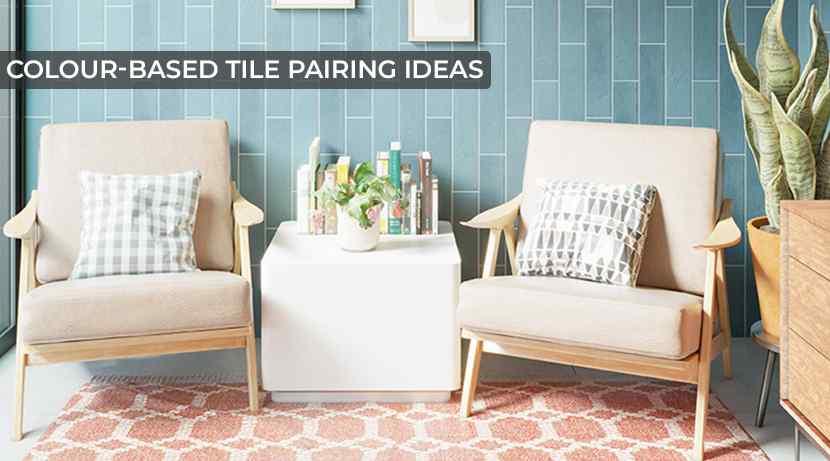
You can pair your indoor floor and wall tiles based on colours. Here is how to do it:
Neutral Tile Pairing
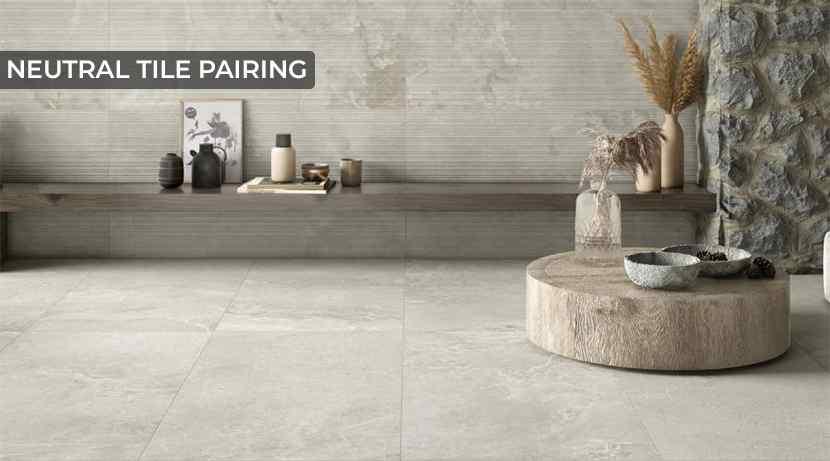
Some of the most versatile indoor tile floorings for UK interiors are grey, beige, and cream tiles. They pair with almost any furniture style and adapt to any changing trends
Monochrome
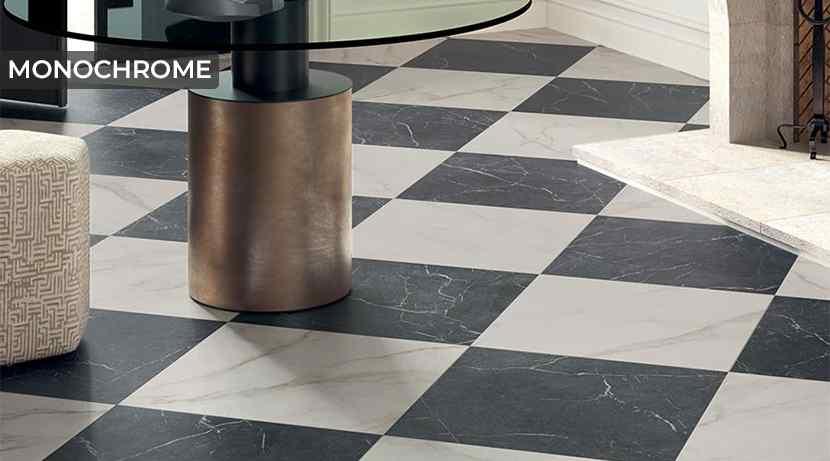
It is a classic approach to ground a space while keeping it bright. Dark floor tiles hide wear and dirt, while white wall tiles prevent the room from feeling too heavy and overwhelming.
Grey Wall Tiles and Patterned Floor Tiles
Want to give your interior an instant focus? Pair grey or stone-effect wall tiles with patterned floor tiles and a sleek and modern bathroom vanity unit. You will love the complete look of this.
Texture and Finish Combinations
Texture plays a huge role alongside the colour to define your space.
Choose:
- Matte floor tiles to reduce slip and improve foot grip
- Gloss wall tiles to reflect light and easy maintenance
- Textured tiles add depth to your floors and wall tiles
If you want a designer-style home without overcomplicating your space, mix finishes in the same colour palette. It not only gives luxury feels but also creates optimal layering.
How to Find Matching Tiles for Your Existing Space
To improve the chances of finding matching tiles to replace the damaged ones or to extend tiled areas, you need to get creative. Here is how to find a tile match:
- Check the batch numbers and manufacturers that supplied the existing ones
- Look for similar finishes rather than exact matches
- Use feature areas to disguise transitions
Trusted indoor wall and floor tiles suppliers like Royale Stones UK often have the closest matches or suitable alternatives when the original tiles are discontinued.
Wall and Floor Tiles Beyond Bathrooms and Kitchens
Tiles are not limited to being used only in the kitchens and bathrooms. You can use indoor floor tiles in:
- Living Areas and Hallways: Pair warm-toned floor tiles with textured wall finishes or tiled feature walls to make your space modern yet welcoming.
- Matching Indoor and Outdoor Floor Tiles: Best for homes with bifold or sliding doors. Choose tiles rated for both indoor and outdoor use to ensure the safety and durability of your tiles.
Painting Tiles Ideas Instead of Replacing Them
Not always need to replace your tiles. Especially if your budget is low or you live in a rental property, you can make your worn tiles work by painting them.
However, you need to remember that painting only works on the ceramic wall tiles, not the floors.
Important Considerations
You should consider aesthetics, but it should be backed by practical performance.
- Anti-slip tiles for bathroom and kitchen floors
- Maintenance and cleaning ease
- Choosing the best tiles for underfloor heating
- Availability of tile ranges in the long term
Conclusion
You need to keep all aspects of indoor floor tiles in check, i.e., balance, practicality, and durability, while pairing wall and floor tiles. Homes demand designs that cope with changing lights, frequent use, and evolving styles.
By choosing the right pair of indoor wall and floor tiles, you make your space cohesive, comfortable, and futureproof. Outsource and shop indoor wall and floor tiles of high-quality material from your trusted suppliers like Royale Stones and follow proven design principles to achieve an interior that looks beautiful and relevant today and for years to come.
Frequently Asked Questions
How to pair wall and floor tiles?
Choose your floor tile first and then your wall tiles. Opt for tiles that complement each other in colour and texture without getting into competition for attention.
Do floor and wall tiles need to match?
No, they do not need to match exactly, but they should belong to the same visual family or colour palette in order to maintain harmony in the interior.
Should flooring be lighter or darker than the walls?
Dark floors with light walls work best for UK interiors if there is an adequate light source. However, for small or dark rooms.
Should flooring be lighter or darker than the walls?
Go for neutral combinations such as grey & white or beige & cream, which remain some of the most timeless and versatile choices in the UK.