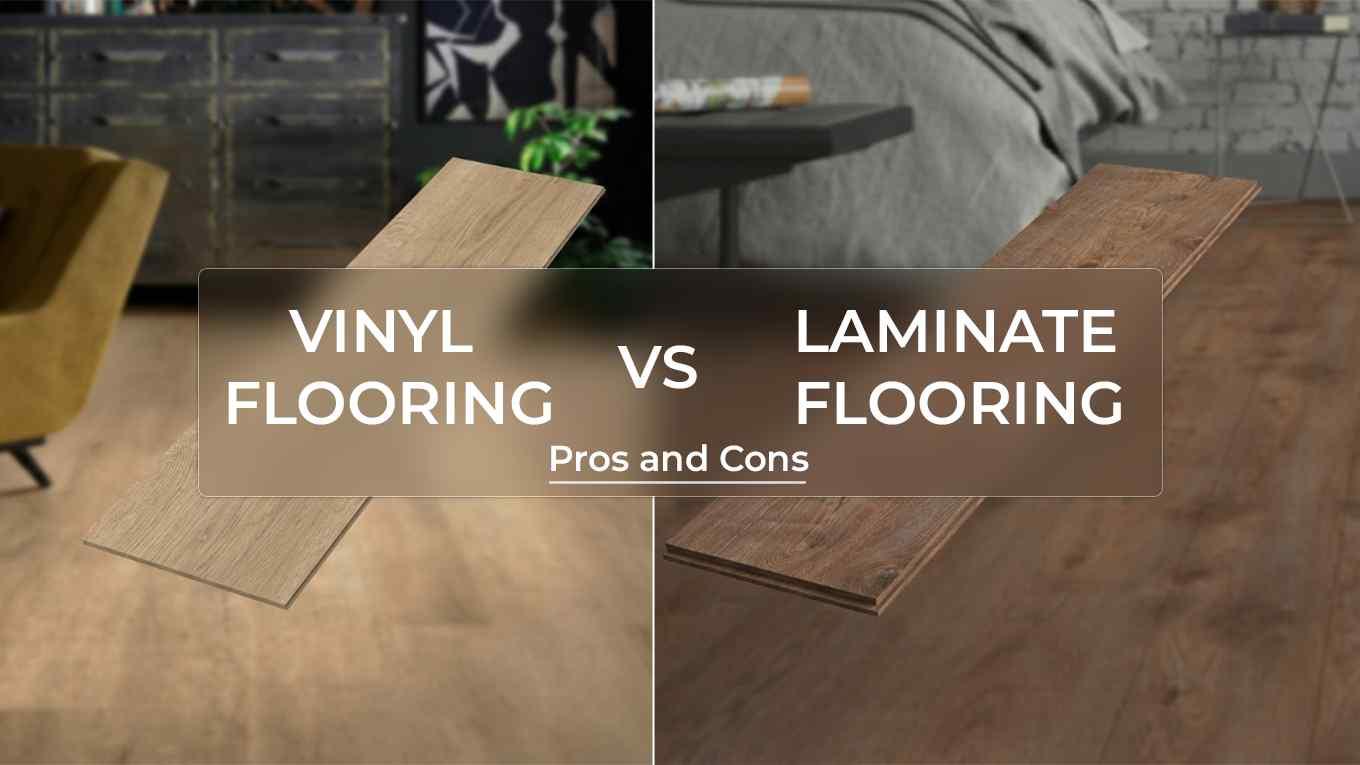
Vinyl vs Laminate Flooring: Pros and Cons
When you sit and begin to explore family-friendly flooring, you come across various materials that come with different sets of characteristics, maintenance needs, and longevity. Before you set your eyes on one, you need to ask yourself what your flooring requirements are to make the choice.
If you are searching for budget flooring options, vinyl and laminate are some of the best options compared to natural and porcelain tiles, which need higher upfront costs and are not the best choice when it comes to flooring for rental properties in the UK.
Along with a huge variety of indoor floor tiles, Royale Stones also provides some of the most popular vinyl and laminate flooring that you can shortlist for your UK home.
In this article, we will give you a short introduction to what laminate and vinyl flooring are, what they are made of, the pros and cons, maintenance requirements and ultimately which one to choose for your personalised rental and home projects.
Vinyl vs Laminate: The Key Difference At a Glance
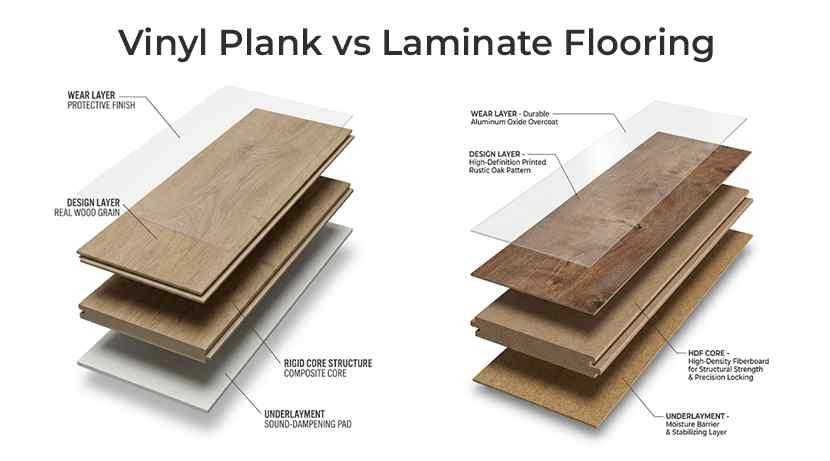
Although UK homeowners use laminate and vinyl tiles interchangeably, there are certain differences; however, each offers unique features that could make one a better fit for your home.
| Factor | Vinyl Flooring | Laminate Flooring |
| Cost per m² | Generally affordable; ranges from £15–£40/m² depending on quality (LVT higher). | Slightly cheaper; ranges from £10–£30/m², though premium designs can cost more. |
| Wear Resistance | Highly resistant to scratches, dents, and heavy foot traffic. | Good wear resistance but more prone to scratches and chips compared to vinyl. |
| Water Resistance | Excellent — fully waterproof, ideal for bathrooms and kitchens. | Vulnerable to moisture; “waterproof laminate” exists but needs careful installation. |
| Comfort | Softer and warmer underfoot, especially with cushioned backing. | Feels harder and can sound hollow without quality underlay. |
| Visual Appeal | Wide range of realistic wood/stone designs; consistent finish. | Very realistic wood look (oak, grey, herringbone) but less authentic than LVT. |
| Acoustics | Quieter, absorbs sound better. | Can produce a hollow sound unless paired with good underlay. |
| Lifespan | 15–25 years with proper care; longer in wet‑prone rooms. | 10–20 years; lifespan reduced if exposed to moisture or poor installation. |
| Maintenance | Low‑maintenance; easy to clean with mop/hoover. | Requires more care; avoid excess water, use laminate‑safe cleaners. |
Vinyl Flooring
There are three main types of vinyl flooring: sheet vinyl (most affordable), luxury vinyl planks (mimics hardwood), and luxury vinyl tiles (more rigid and also mimics tiles).
Luxury vinyl flooring, or LVT, is made from a synthetic, resilient polyvinyl chloride (PVC) plastic, fibreglass, and plasticisers.
LVT has four layers to it:
- Backing Layer: The bottom foundation offering moisture resistance and sound reduction.
- Core Layer: Provides structural rigidity; made of flexible PVC or rigid composite, like SPC (stone-plastic composite) or WPC (wood-plastic composite).
- Design Layer: The printed, photographic film that mimics natural wood, stone or ceramic tiles.
- Wear Layer: A clear protective layer that resists scratches, stains, and daily wear.
According to the BS EN 13845 ramp test, surfaces have to meet the requirements: for shod areas, ≥20° and ≥36 pendulum to be classed as ESf, and for barefoot areas, ≥15° and ≥36 pendulum to be classed as ESb.
Vinyl flooring emits safe and highly restricted levels of formaldehyde (under 0.1 parts per million), qualifying for automatic E1 compliance. It comes in easy-to-lay vinyl sheets, plank formats, and vinyl click flooring options for easy installation.
Fiona Duffy, an Interior Designer and Renovator, says:
“For me, LVT is the clear winner for practical use and durability because it's waterproof and hard-wearing.”
Laminate Flooring
Laminate flooring is composed of a wood-based core, making it a hybrid of compressed wood fibres and tough protective synthetic resin.
It also has four layers:
- Backing Layer: A bottom balancing paper treated with resin that seals the underside of the plank, preventing moisture from entering and warping the board.
- Core Layer: A thick board made of high-density fiberboard (HDF) derived from compressed wood chips and resin, providing strong structure, impact resistance, and stability.
- Decorative Layer: A high-resolution printed photographic paper that gives the flooring a visual appearance of wood grain, stone or tile effortlessly.
- Wear Layer: A clear, tough upper sheet made of melamine resin and aluminium oxide that protects against scratches, fading, and staining.
Fiona recommends:
“The thicker the laminate, the stronger and more durable it's going to be. So rather than an 8 mm profile, you'll want to be looking at around 12 mm thick laminate as a minimum for any high-traffic areas”
Aside from vinyl planks, these are also one of the most cost-effective flooring options as compared to real wood planks and natural stone tiles. For instance, if you are unable to afford oak planks or want the look of oak without the maintenance commitment, oak laminate flooring is the answer you are searching for.
When it comes to safety, laminate meets the BS EN 13893 requirements of 0.3 CE marking for the dynamic coefficient of friction on dry floor surfaces.
Vinyl vs Laminate Flooring Pros and Cons
Vinyl and laminate flooring are the go-to options as living room tiles for rental properties as well as homes, but also work as bathroom tiles and kitchens that do not want to spend a fortune on the floors.
But hold on, before you make any decision, you must know all the benefits and drawbacks of LVT and laminate, so that you do not rush into any of the options, ending up regretting it after 6 months or a year.
Vinyl Flooring Pros and Cons
From impressive durability to being highly affordable, vinyl floor tiles and luxury vinyl plank have an array of benefits but also have disadvantages that you need to know before committing.
| Pros | Cons |
| They are waterproof (do not mistake it for floodproof– it's not) | Gets easily dented if furniture or heavy objects are dragged frequently over it |
| They are soft underfoot and provide quieter acoustics. | They fade under high traffic and frequent UV exposure. |
| It provides easy DIY cuts and installation | Subfloor imperfections cause bumps, tears and creaks in the sheet and joints of luxury vinyl planks |
| They are low-maintenance flooring | Complex repairs if one of the planks is dented or scratched |
| Underfloor heating compatible | It causes greater environmental impacts due to being PVC as the core component of the vinyl manufacture |
Laminate Flooring Pros and Cons
Once installed, laminate floor tiles provide a unique set of benefits as well as a set of drawbacks you need to consider before you buy laminate flooring in the UK.
| Pros | Cons |
| Due to modern manufacturing methods, they are more durable and scratch-resistant | Laminate struggles in wet areas like bathrooms, kitchens and utility rooms. |
| They mimic natural and manufactured materials better than LVT flooring | Laminate sounds hollow without proper underlayment; use high-quality underlay for laminate flooring to improve its acoustics |
| They are stiffer and more stable underfoot | Laminate flooring installation is not your weekend DIY project. It requires more precision |
| They are less heavy on the pocket than natural stones, tiles, and some LVT | In most cases, laminate is not compatible with underfloor heating unless specified by the manufacturer. Read the product spec sheet before buying. |
| Due to the wood composite, they are more eco-friendly and biodegradable than PVC counterparts. | Not very desirable in bathrooms and kitchens in resale terms due to its durability and warping probabilities |
Vinyl vs Laminate Flooring: Maintenance Tips
It is not very hard to maintain either; thus, you do not need to learn specifically how to clean vinyl flooring or laminate flooring. Luxury vinyl and laminate both require regular sweeping and vacuuming. Occasional mopping removes the temporary stains on the floor, which is great for you if you want a less demanding flooring option for less money.
Want to DIY your vinyl flooring? Here is the complete guide: How to Install Vinyl Flooring?
Is Laminate or Vinyl Flooring Better
Both of the choices are great to be used as indoor tiles; nevertheless, some rooms are where they work better than others.
Choose Vinyl Flooring If…
You need a waterproof, durable and low-maintenance flooring option for your bathrooms, kitchens and basements. Vinyl floor tiles feel soft and comfortable to walk on and have sound-absorbing capabilities, making them ideal for households with kids or rental flats with pets.
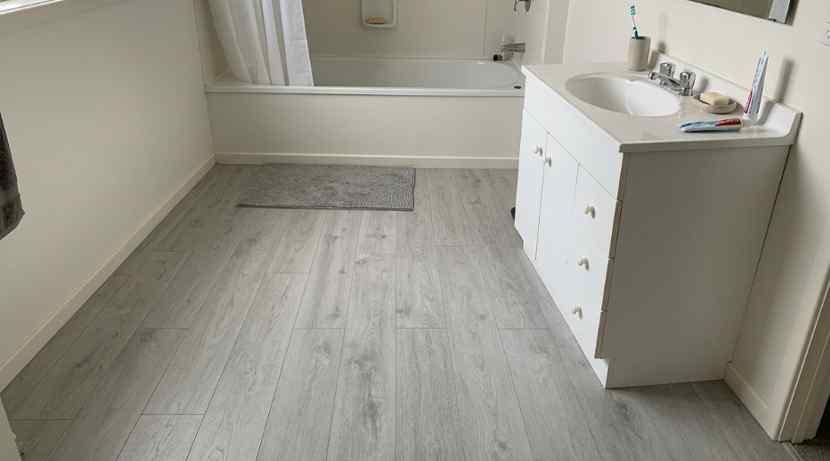
They also perform exceptionally as bathroom vinyl flooring. Vinyl click flooring from Royale Stones is easier to DIY and does not give you a hard time in day-to-day maintenance rituals.
P.S: Here are some of the Best Vinyl Flooring Living Room Ideas you can use in your home.
Choose Laminate Flooring if
You are looking for an affordable, realistic wood or stone look in dry areas like bedrooms, living rooms, or office spaces. Laminate floor tiles are an eco-friendly flooring option for areas in your home that face little to no moisture.
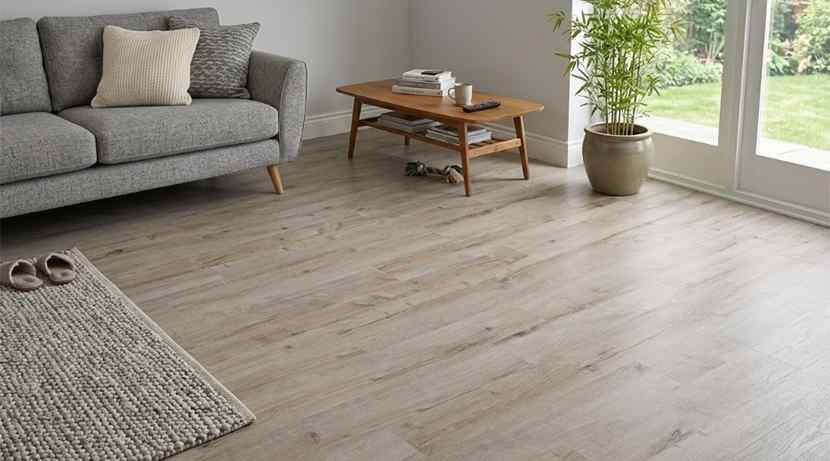
Use waterproof laminate flooring for kitchen or bathroom spaces; otherwise, there is a high chance that you will be disappointed. You cannot use regular laminate flooring in high-traffic and moisture areas.
FAQs
Can laminate flooring be used in bathrooms?
Yes, you can use laminate flooring in bathrooms, but you must use a specialised water-resistant or waterproof laminate to prevent it from warping or getting ruined in high-moisture spaces.
Which lasts longer, vinyl or laminate flooring?
Vinyl lasts longer, with an average lifespan of 15 to 25 years due o its waterproof plastic nature, and they are immune to moisture and swelling as well. They maintain their structural integrity in high-traffic households for much longer than laminate flooring.
Which is cheaper to install, laminate or vinyl?
Basic Vinyl sheets are easier and cheaper to install than laminate; however, high-end LVT installation costs more than standard laminate.
Does vinyl flooring scratch easily?
High-quality luxury vinyl tiles has thcik wear layer that is able to handle everyday foot traffic; however, thin and cheap vinyl flooring gets scratched pretty easily when dragging heavy and sharp objects, causing permanent damage to the floor.
Can you put a refrigerator on vinyl plank flooring?
Yes, you can place a refrigerator on vinyl plank flooring. A standard refrigerator weighs between 90 and 180 kgs, while vinyl plank floors handle this weight easily; however, you must protect the soft surface from dents, dragging, scratches and water leaks.
- Bathroom Tiles
- Porcelain Paving
- Bathroom Vanity Units
- Floor Tiles
- Garden Paving
- Kitchen Tiles
- Wall Tiles
- Porcelain
- Paving Slabs
- Onyx Tiles
- Natural Stone Paving
- Anti Slip Tiles
- Terrazzo Tiles
- Marble Tiles
- Uncategorized
- Outdoor Tiles
- Exterior Floor Tiles
- Outdoor Porcelain Tiles
- Sandstone Paving
- Wood Effect Paving
- Brick Effect Tiles
- Paving
- Bathroom Basins
- Vinyl Flooring
- acoustic wall panels
- Indoor Tiles
- Stone Effect Wall Tiles
- Porcelain Paving Slabs
- Slate Effect Tiles
- Inside Out Tiles
- Concrete Effect Tiles
- External Wall Tiles
- Wood-Effect Tiles
- Victorian Floor Tiles
- Luxury Tiles
- Knowledge Base
- Porcelain Tiles
- Vanity Units
- Dijon Limestone
- Outdoor Porcelain Paving
- 3D Split face Wall Tiles
- porcelain pavers
- Slabs
- Outdoor onyx porcelain tiles
- Granite Effect Wall Tiles
- Brick Effect Floor Tiles
- Onyx Porcelain Tiles
- Terrazzo Porcelain Tiles
- Brick Effect Wall Tiles
- Wooden Flooring
- Italian Outdoor Porcelain Paving
- Bathroom Floor Tiles
- Travertine Effect Wall Tiles
- Slate Effect Wall Tiles
Recent Post
-
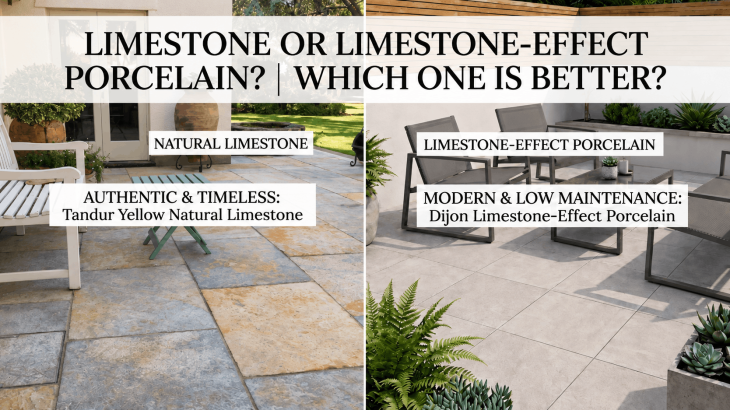
Limestone OR Limestone-Effect Porcelain – Which One Is Better?
October 9th, 2026 -
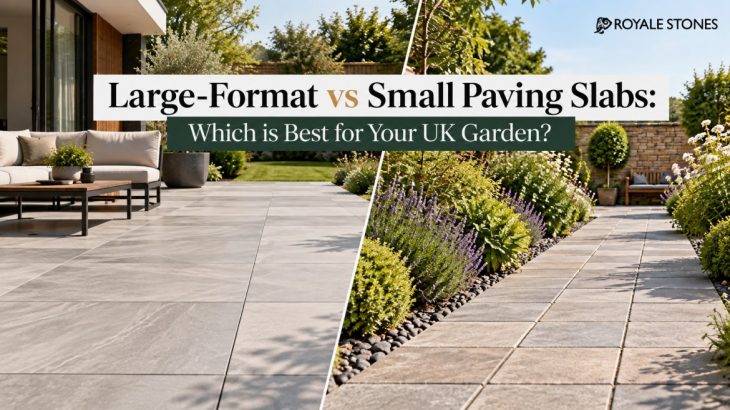
Large-Format vs Small Paving Slabs: Which is Best for Your UK Garden?
October 9th, 2026 -

Low-Maintenance Patios: Why More UK Homeowners Are Choosing Porcelain
September 22nd, 2026