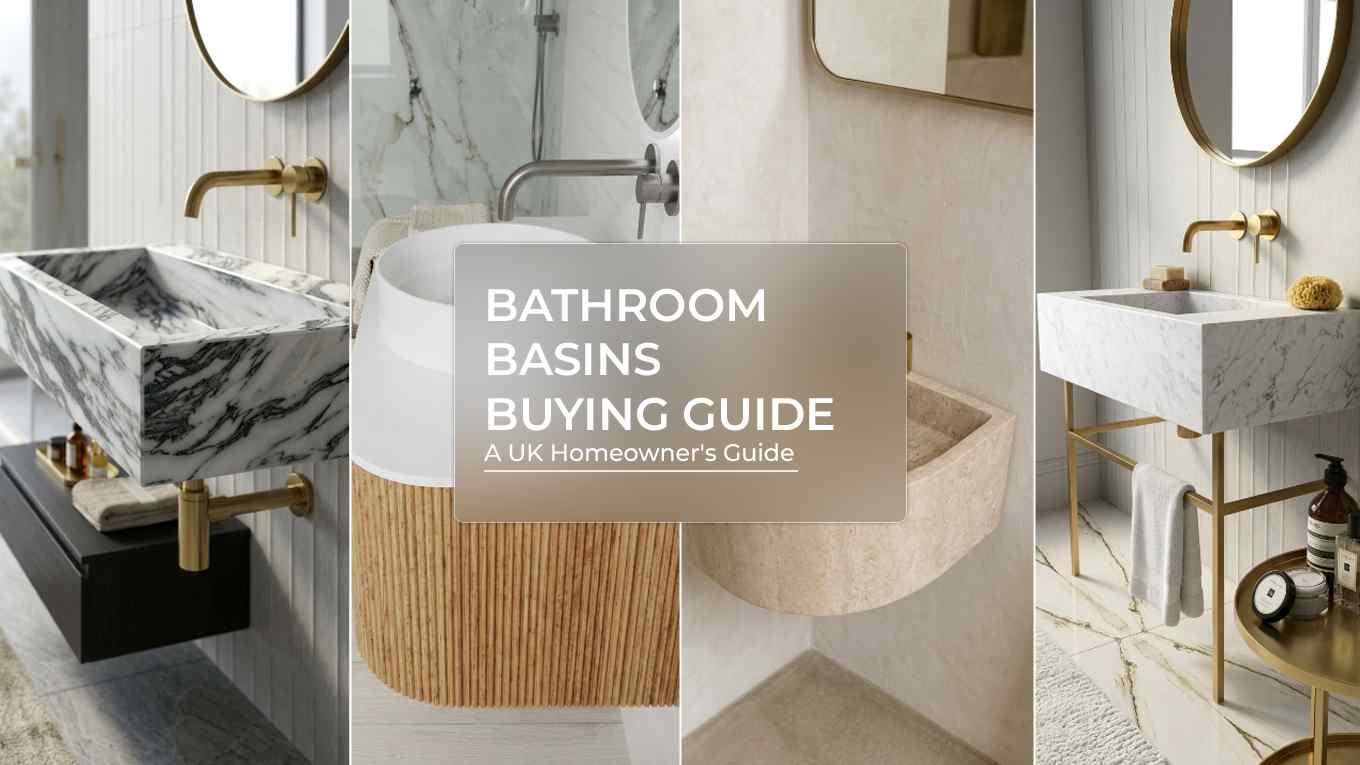
Bathroom Basins Buying Guide
Bathroom basins are the key component of any bathroom space, regardless of size. A large bathroom with a small basin, or a too-small bathroom with a gigantic basin, would not only look awkward but also become a bottleneck during each use. Especially when used by more than one person, basin material and size affect the interior, comfort, functionality, and day-to-day bathroom usage.
Don’t even get us started on the types, materials, shapes, and accessory options available in the market; they make choosing a sink even more overwhelming. When considered meticulously, you make a better bathroom sink choice. On the contrary, the wrong choice will force you to live with a sink that irritates you every time you see or use it and during each cleaning session.
In order to buy the best bathroom basin for your space, you need to know your options. Choose a sink that aligns with your taste, morning and night routines, and the space available in your bathroom.
In this blog, we have done our best to provide a detailed basin buying guide UK homeowners need, including the materials, types, shapes, and accessories that pair best with your small or large bathroom space.
Bathroom Basin or Bathroom Sink
Before diving into the details, let's start with the basics: what is a bathroom basin? A bathroom basin or a bathroom sink is a bowl-type unit that is used to wash your hands and face, brush your teeth and carry on with your daily routines.
Basin Materials
You can find multiple bathroom sink materials on the market. The best material for a bathroom sink differs from household to household. Some prioritise durability more, while others are more inclined towards appearance and bathroom interior.
a. Ceramic and Vitreous China
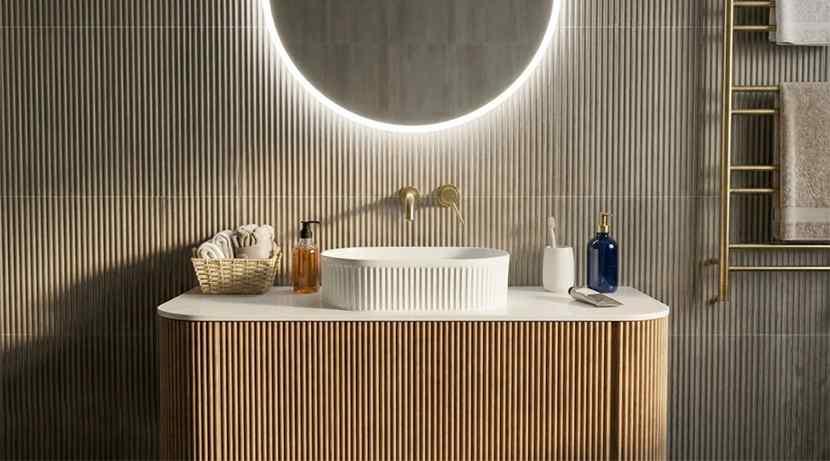
So far, ceramic basins are one of the most popular basins for family bathrooms. They are made from kaolin clay, fired and hardened at high temperatures to give you a durable, stain- and scratch-resistant, and easy-to-clean basin bowl that is also light on the pocket.
These affordable bathroom basins are available in a wide range of shapes, sizes, and colours on the market, pairing well with almost any bathroom interior – traditional or modern.
Vitreous China is a type of ceramic basin that is coated with glassy enamel during the firing process. As a result, you get a very smooth, non-porous surface that is resistant to stains and scratches and is easy to wipe down.
b. Porcelain
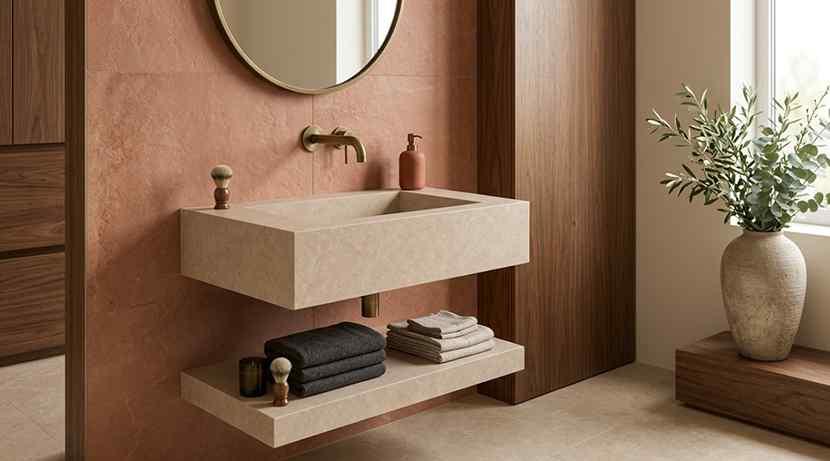
Porcelain basins are also manufactured like ceramic, firing kaolin clay but at a higher temperature of 1200C to 1400C. When comparing the durability and finish of porcelain vs ceramic bathroom sinks, porcelain sinks have a finer, denser surface and are more hard-wearing than ceramic basins, giving them a glossier finish.
Due to this, porcelain sinks are on the more expensive side of bathroom sink costs than ceramic; however, they are still more affordable than some bathroom sinks while providing a premium feel.
c. Stone Resin Sinks
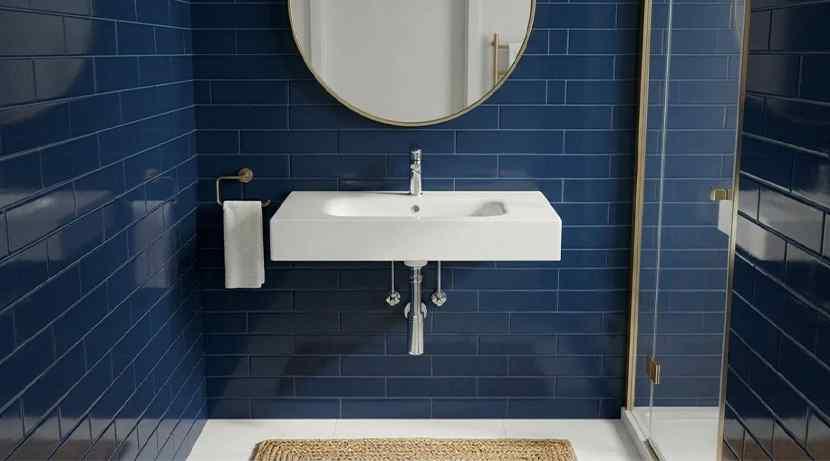
Resin sinks are manufactured from stone-like material, yet provide a lightweight feel, sleek appearance and good durability. The seamless curves and surface are warm to the touch and are available on the market in various shapes and colours.
Stone resin basins are resistant to discolouration and scratches and are easy to maintain in high-traffic family bathrooms.
d. Natural Stone
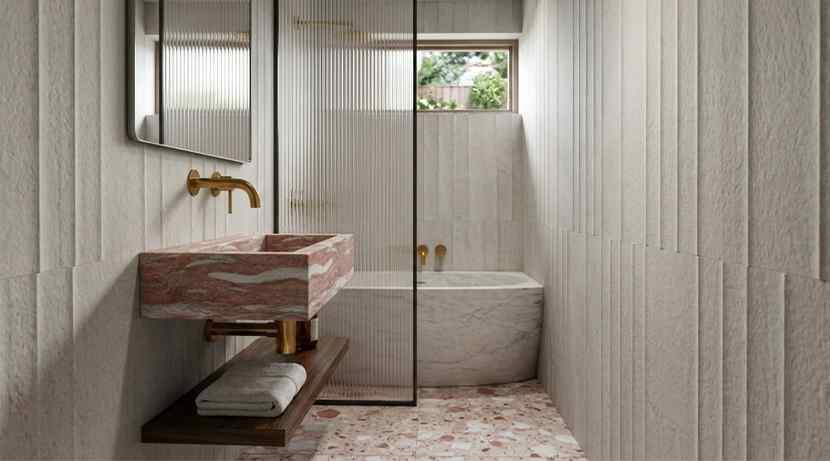
Natural stone basins – marble, granite, and travertine – are carved out from single stone blocks into a basin shape. They bring a genuine sense of luxury with their unique natural veining.
These luxury bathroom basins are quite heavy and come with a huge price tag; however, the uniqueness and high-end look are all worth it.
Before you buy natural stone basins for bathrooms in your UK home, make sure that your counter surface or bathroom vanity unitcan support their weight before installation.
The only caveat is that they are porous and need to be sealed once or twice a year to keep their premium look.
e. Glass
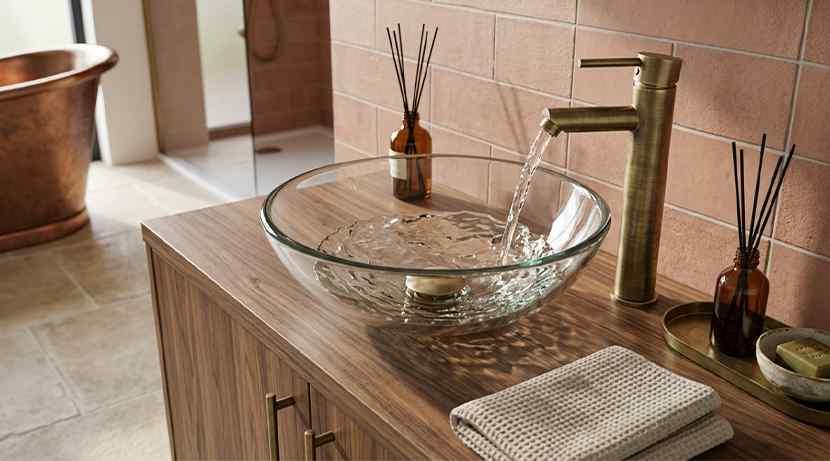
Glass sinks are a great way to create a striking focal point in your modern bathroom design. You may think these bathroom sinks are fragile due to being made out of glass; you will be astonished to know that these toughened glass basins are quite sturdy and are hardened wth safety glass.
These bathroom sinks are available in clear, frosted, tinted and patterned finishes on the market and in different showrooms, offering a contemporary look as a countertop basin.
They can typically handle heavy bathroom use and high temperatures; however, there is a slight chance of shattering if constantly put under scalding hot water. They also show water spots easily, thus requiring more cleaning.
f. Metal (Stainless Steel, Copper, Brass)
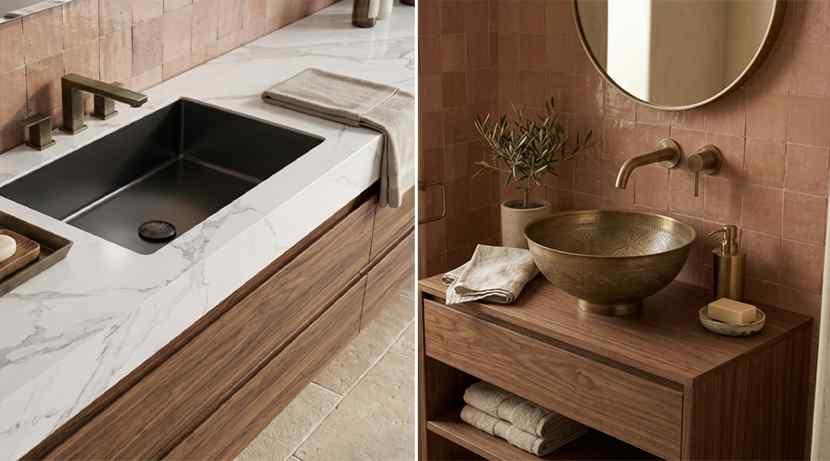
Metal basins are either used in high-traffic commercial settings due to their sturdiness or in minimalist bathroom designs and bathrooms that require a vintage touch.
Stainless steel basins provide a sleek appearance and pair with a wide range of countertop materials. They are lightweight, long-lasting, hygienic and resistant to stains and rust. More common in commercial settings, they are used in minimalist bathroom designs. However, they are prone to watermarks and light scratches over time.
People adore the shimmer of copper and brass basins in their bathrooms and make any bathroom feel considered, bringing warmth, texture, and character. The only heads-up is that they require mindful maintenance compared to stainless steel and ceramic options.
g. Concrete
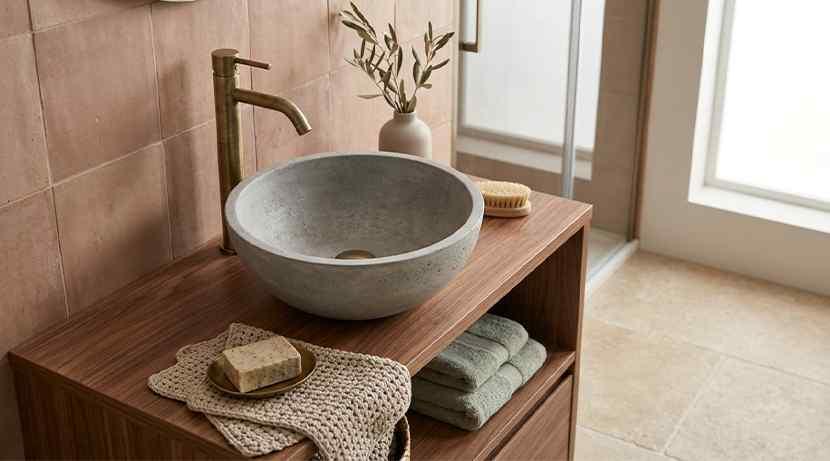
Ideal for industrial and modern bathrooms, concrete basins successfully embrace the raw and architectural aspect of their material. It offers a bold, sculptural look in bathrooms as it can be cast in any shape or tone.
However, it needs sealing and occasional maintenance to maintain its originality.
h. Terrazzo
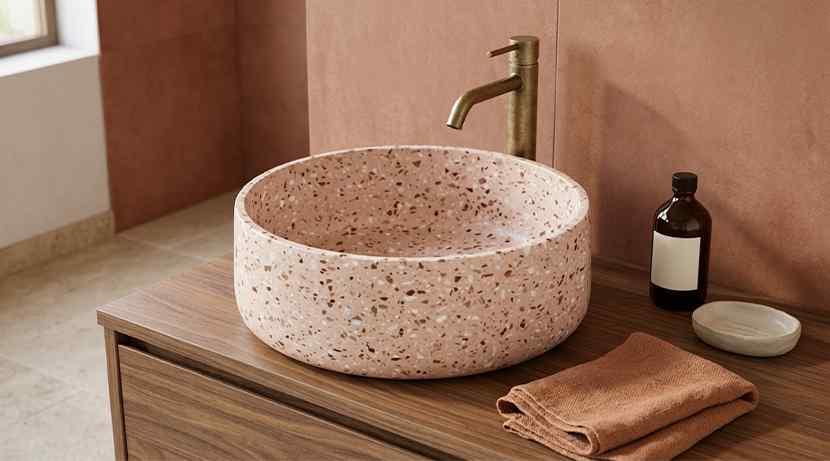
Premium terrazzo basins present a personality of their own in any bathroom design. They are attractive and full of character, which is a result of their composition of fine material, i.e. marble, and a 20% resin-free binding agent.
As a result, you get a premium basin that is durable, hard-wearing and easy to care for in any bathroom space, small or large.
In general, if you ask what the best material is for a bathroom basin, we would say porcelain, followed by ceramic basins, which suit most bathrooms, no matter what the size is. They cost less, provide high durability, require low maintenance, and are versatile for any bathroom design.
Bathroom Sink Colours
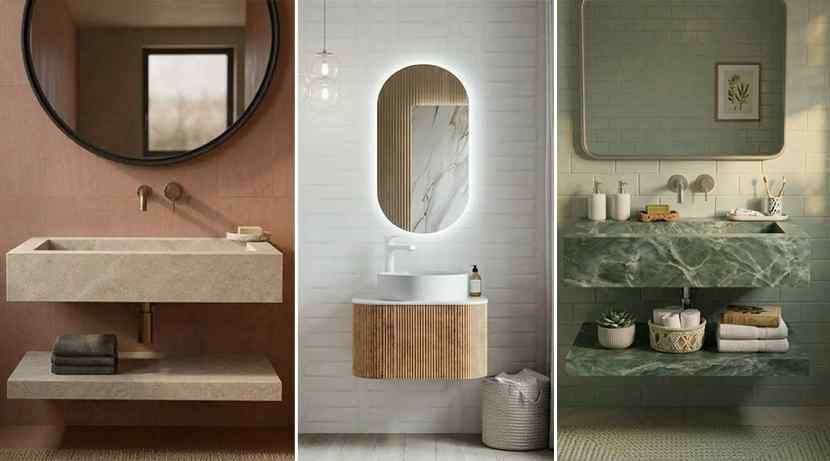
The bathroom basin colour is not only part of the aesthetics but also plays a huge role in how practical and timeless your bathroom will feel 5 years from now. When you buy bathroom basins, think beyond “the standard white” and consider the colour which would impact the cleaning, durability and overall bathroom mood.
Classic White Basin
It is the most popular bathroom basin colour in the world, including the UK. It's versatile, easy to pair with any interior style, and shows fewer scratches. If you want a bathroom basin unit that feels modern and has higher resale value, a white ceramic basin is your best choice.
Neutral Tones
Beige, grey or stone-look basins are ideal for designing a bathroom space that requires warmth and a spa-like feel. They blend seamlessly with natural materials such as wood or marble effect tiles. In small bathroom spaces, they feel calmer and more cohesive.
Bold Colours
Designer bathrooms, in 2026, are more inclined towards black, navy, and pastel colours. They not only make a statement in bathroom designs but also require careful pairing with fixtures and lighting. For instance, a black basin looks sleek but shows water spots easily. That is why it is best suited for single-use bathrooms or households that prioritise style over low-maintenance cleaning.
Pro Tip: When choosing your basin colour, ask yourself:
- Will the bathroom basin colour complement my existing tiles and vanity unit?
- Is it easy to maintain the basin and keep it looking fresh?
- Does it align with the mood I want for my bathroom?
Types of Basins
There are types of bathroom sinks for every home style, plumbing setup, and how you would like your bathroom to look and function. There are numerous shapes, sizes, and tap hole variations in the main types of bathroom basins.
a. Pedestal
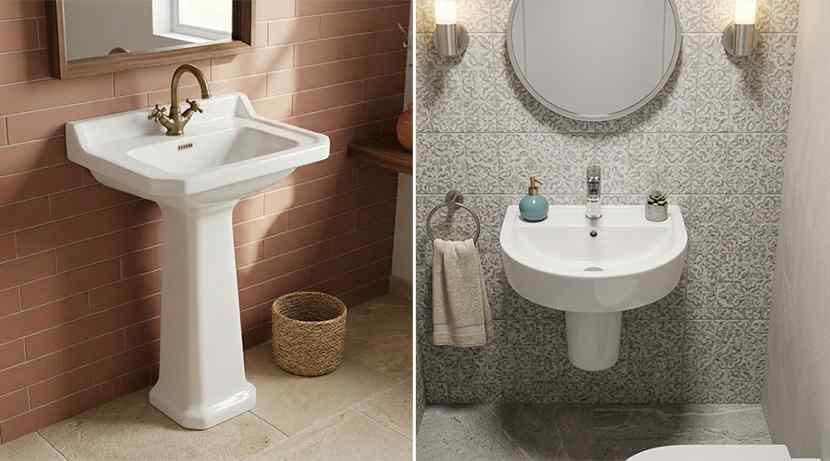
It is the answer to most bathroom designs that do not have bathroom vanity cabinet requirements. This popular bathroom basin is given the name pedestal because it is supported by a full or semi-pedestal setup that conceals plumbing and pipework.
- Full Pedestal: This basin unit extends from the basin rim to the floor, hiding the unsightly supply and waste pipework. This is usually found in traditional UK family bathrooms. It allows installation of larger and heavier basins than the semi-pedestal ones.
- Semi Pedestal: In this setup, the pedestal is fixed on the wall, shorter, and with only part of the pedestal extended to hide the waste but not all the way to the floor. It is lifted off the floor, making cleaning easier. It is best suited for small bathroom designs with a more contemporary aesthetic. Before making a purchase, confirm that the wall supports the full weight of the basin.
b. Semi Recessed
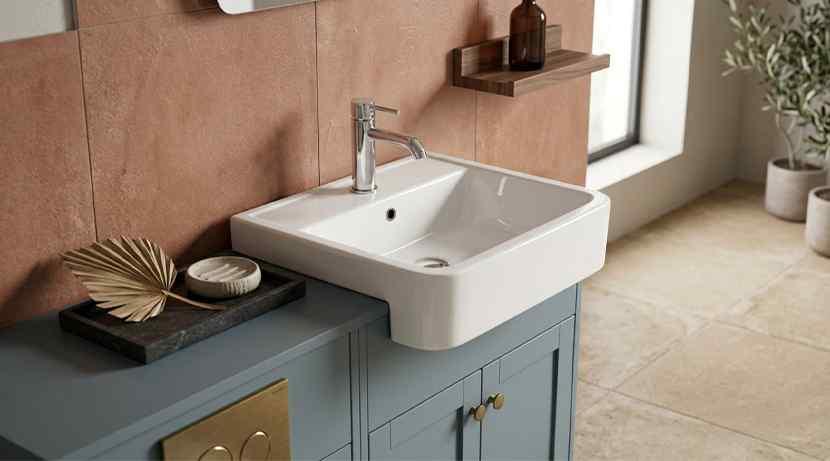
It sits somewhere between a countertop and a wall-mounted sink design. This bathroom sink sits partially within the bathroom vanity unit or bathroom cabinet and partially overhangs it. It is fixed into place using silicone sealant. The waste and supply pipework is concealed in the cabinet unit.
It saves space while still offering useful worktops and storage space beneath in classic bathrooms; thus is ideal for narrow bathrooms with limited space.
Pro tip: choose a compatible vanity that allows proper installation of a semi-recessed basin. Add a highly absorbent bathroom mat in front of the unit, as it leads to more water splashing around the basin area, risking slipping.
c. Wall Hung
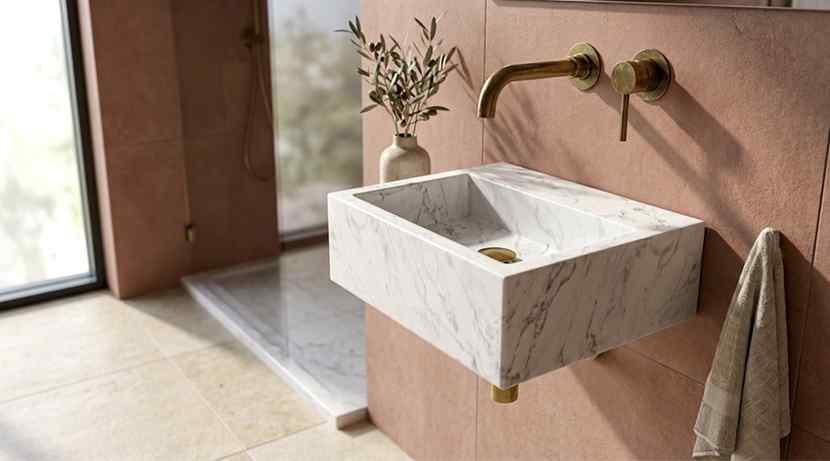
Wall hung basins have no pedestal, which means a clear floor underneath that is completely usable. You can leave it open or add movable shelves for extra storage space. They are ideal for small bathrooms, cloakrooms and easy-to-clean downstairs powder rooms.
The best part is that they can be found in various shapes and sizes and attached at any height, which is great if you have children or want accessibility in your bathroom.
The pipework is exposed in wall mounted basins; thus, select the one that goes with your bathroom design and has an attractive finish (best if it matches your taps and other bathroom suites).
d. Vanity Unit Basin
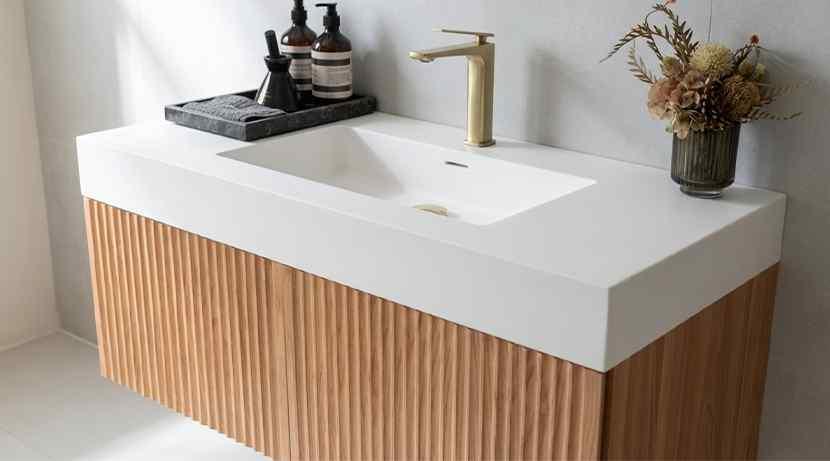
These basins are specifically made for vanity units. They are either integrated into or paired with a vanity unit, making a vanity unit with a sink and storage below. Most homeowners requiring bathroom storage space and concealed plumbing consider a vanity unit with basin a popular choice.
Different vanity unit sizes and styles – wall-hung and floor-standing vanity units – go with a number of basin types and shapes to suit a specific bathroom.
Caveat: A vanity unit with basin suits large bathrooms due to its size and also costs more than just a basin design due to the added storage.
e. Countertop Basin
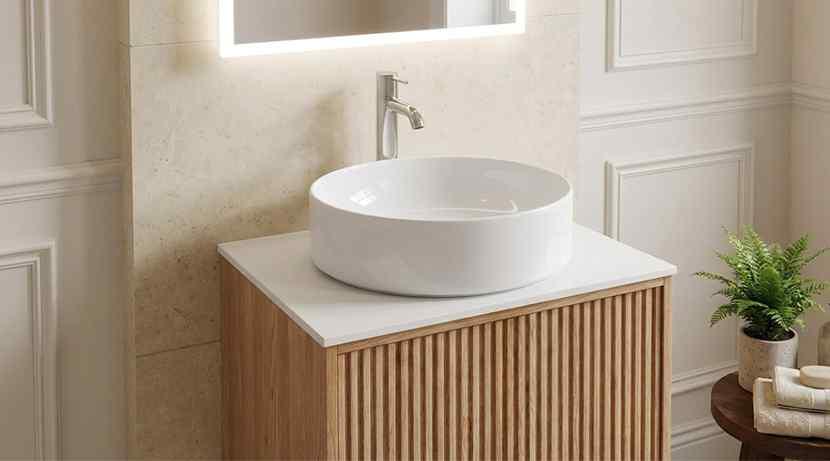
Countertop basins are designed to sit on the top of a platform such as a shelf, countertop, or a vanity unit rather than set into it or installed directly on the wall. It is one of the most modern and luxurious ways of designing a bathroom.
With countertop sinks, the plumbing is hidden, thus giving a cleaner bathroom look. Most countertop basins do not come with tap holes, thus requiring a tall, freestanding mixer tap to reach over the side of the basin.
You can find these basins in different shapes, sizes, and designs suiting your taste. However, you need to make sure that it is compatible with the depth and strength supporting the basin.
f. Trough
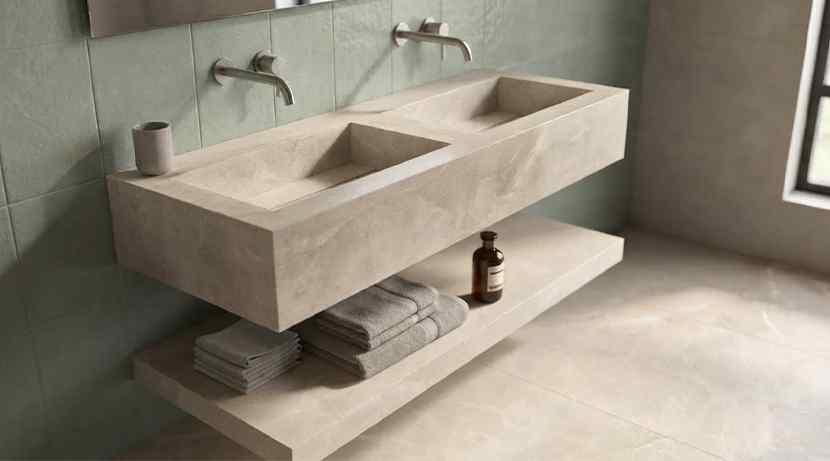
A washing trough basin is a single large basin that has multiple tap holes that can be used by multiple people at once. These hand wash troughs are typically wall-hung and have at least two taps.
Trough basins are a common choice for commercial washrooms, including public washrooms, office, mall, and school washrooms. They are available in stainless steel, ceramic and Corian options.
g. Washstands
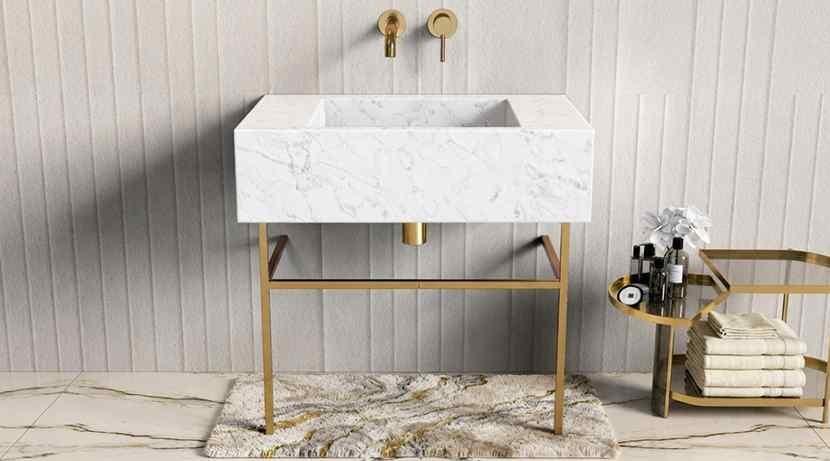
Washstandsconsist of a freestanding stand that has a space to put a basin on, giving an open and furniture-style look in bathrooms. They are often reminiscent of Victorian elegance and have resurged in modern bathroom designs.
Washstand basins are mostly made of chrome or other metal with a number of finishes. They evoke old-world charm in bathrooms, are long-lasting, and create a sense of space in small bathrooms. Some of them also come with integrated rails or shelves offering room for hanging towels and placing toiletries.
h. Corner Basin
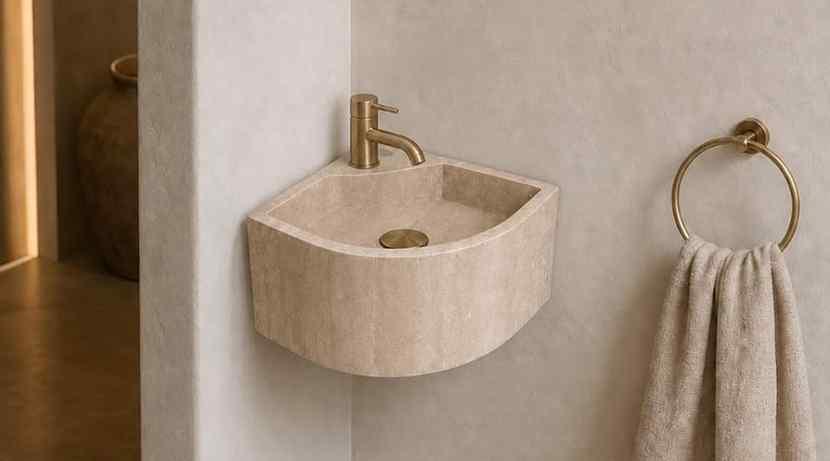
They are designed to fit in the corners of small bathrooms where the layout does not permit it otherwise. They are one of the most space-efficient basin options in cloakrooms and compact bathroom designs.
They expose plumbing, requiring neat and stylish chrome bottle traps that help in converting into a feature. Most corner basin designs, just like semi-pedestal units, need wall support to hold them and free up floor space.
Bathroom Basin Size
Bathroom basin sizes are as important as the material, colour and basin type. It determines how much comfort they will provide in the space. Too large, it will overwhelm the space; too small, and it becomes almost impractical for daily use.
The basin size includes the width and depth for measurement against the wall space and for fitting it in a vanity unit beneath, respectively.
So, let's get to the most important question most users ask: What is the standard size of a basin in the UK?
Well, typically the standard basin unit in the UK is measured in millimetres, and the size ranges from 450mm to 600mm in width; however, below are the detailed basin dimensions by space type and the shape you are opting for in your bathroom.
Basin Dimensions By Space Type
- Cloakroom/Small Ensuite: Opt for small basins with a width between 350–450mm
- Large/Family Bathroom: Choose a standard basin size of 500–600mm.
- Double Vanities: For a double vanity unit with a larger width, a large basin of width 600mm+ is more suitable.
Dimensions by Basin Shape
Beyond width and depth, the shape of your basin also influences comfort and space in the bathroom. Each shape has its own advantages and how it fits your daily routine and overall design of your space.
- Round Basins: Compact and ideal for cloakrooms or small ensuites, offering a softer look that works well in minimalist interiors.
- D‑shaped Basins: Provide a flat back for wall mounting while maintaining a curved front, making them practical for tighter spaces.
- Rectangular Basins: The most common choice, offering generous surface area and a modern, streamlined appearance.
- Square Basins: Deliver a bold, geometric look and are often paired with contemporary vanity units.
- Oval Basins: Combine elegance with functionality, giving a softer aesthetic while still offering ample washing space.
- Triangular Basins: Designed specifically for corner installations, perfect when you need to maximise every inch of a small bathroom.
- Asymmetrical Basins: Add a designer touch, often used in modern bathrooms where style and uniqueness are a priority.
Basin Accessories
Before you buy a basin, check whether the tap and waste holes are the type that matches your bathroom’s plumbing points. It is easy to overlook; however, the wrong waste and tap type can cause real problems. Most of the basins do not include wastes and taps; that is why you need to buy the correct ones at the same time you purchase the basin.
Basin Waste Types
There are various basin waste types. Choose according to your convenience, ease of use, type of basin and other requirements.
Slotted Basin Waste
It has a small slot or holes that are cut into the plug fittings. These slots allow water to drain through the basin's overflow hole, which prevents flooding if the tap is left running. A slotted waste must be used with any basin that has an overflow.
Unslotted Basin Waste
If your basin does not have an overflow, use an unslotted waste. Because there is no overflow to drain through, the waste has no slots. Fitting a slotted waste in a basin without an overflow will cause drainage issues.
Pop up Basin Waste
Pop-up waste contains a lever or push mechanism that raises and lowers the plug automatically. You pull upwards to lower the waste plug and stop water running away, and push down to raise it. The mechanism is often included with mixer taps and, as a result, gives a neat and integrated finish with no loose plug to misplace.
Click Clack Basin Waste
Also known as push-button waste, click-clack wastes work by pushing it down to close and pushing again to open. They are a simple and effective way of retaining and draining water from the basin bowl with no external controls required.
Plug and Chain Basin Waste
Plug and chain basin waste is one of the most traditional options available. A rubber, plastic, or metal plug is attached with a chain that sits over the waste hole. They are straightforward and easy to replace when you need to. Most modern basins do not have a hole for the chain to be fitted to, so ensure this before buying your basin.
Flip Top Basin Waste
It is also manufactured to drain and retain water with a fun design. The flip-top waste has a metal disc that you flip with your hand to prevent the water from draining down or to release it as you like.
Basin Waste Standard Sizes
When looking at the full dimensions of a basin waste, there are three millimetric sizes to keep in mind:
- 32mm: The thread/outlet diameter. This is the size of the pipework and the bottle trap that connects directly beneath the basin.
- 46mm to 60mm: The top flange/plug hole coverage diameter. Standard bathroom basin pre-drilled holes are usually around 45mm, meaning the upper metal lip of the waste measures roughly 60mm to sit flush over the opening.
The 32mm figure matches Approved Document H: Drainage and waste disposal by the Ministry of Housing, Communities and Local Government, which sets "Minimum trap sizes and seal depths" for sanitary appliances; a washbasin trap is specified at 32mm, against 40mm for sinks and baths.
Basin Taps
Basin taps consist of a faucet spout (above the basin; delivers water into the sink ), handles or lever (on or near the faucet; controls hot, cold and flow ), and aerator (end of faucet spout; shapes water flow and reduces splashing).
Some of the most popular types of taps include:
- Wall mounted
- Mixer taps
- Basin pillar taps
The design you choose will depend on your water pressure and the number of tap holes in your basin.
One small but genuinely useful fact from UK Building Regulations: Approved Document G: Sanitation, hot water safety and water efficiency by the Ministry of Housing, Communities and Local Government specifies that where hot and cold taps are fitted on a sanitary appliance, "the hot tap should be on the left”.
Traps
A basin trap sits under the basin and connects the basin waste hole to the wastewater pipes. It moves the waste into the drainage system to prevent unpleasant smells from returning to the bathroom.
Fixing Frame
This is particularly important for wall-mounted basins and corner basins. It is required to attach it securely to the bathroom wall.
How to Choose a Basin
Buying a bathroom basin is not about the shape you like best; it is about matching material, size, mounting type and plumbing to the realities of your space, budget, and household. Here is what to look for when buying a bathroom basin:
Budget and Quality
The basin prices in the UK range from under £50 for a standard ceramic basin to £500+ for natural stone or designer terrazzo. Set your budget before you fall in love with a basin. You also need to account for the fact that besides the basin itself, taps, waste, and fittings all add to the cost.
As a rule of thumb, spend more on the material where durability matters most (a family bathroom) and less where a basin sees light use (a guest cloakroom).
Consider Your Space
There is a rule in installations: measure twice, install once. Check the width available on your wall or vanity unit, the depth needed for comfortable use, and clearance space around the basin so doors, towel rails and other fixtures are not obstructed.
Refer back to the size guide above; a 600mm+ basin in a 350mm cloakroom will make the room feel smaller, not more luxurious.
Interior style
Your basin should complement your existing tiles, vanity unit and overall bathroom design, not fight against it. A pedestal basin suits a traditional bathroom; a countertop or wall-hung basin suits a contemporary one. If you are tiling around the basin at the same time, choose the basin material and colour first, since it is easier to match tiles to a basin than the other way round.
Storage Needs
If you need somewhere to keep toiletries, towels and cleaning products, a vanity unit basin or washstand with shelving will serve you far better than a pedestal or wall-hung basin, which offer little to no storage.
Small bathrooms with no room for a vanity unit can still get extra storage with a semi-pedestal basin and a wall-mounted cabinet above.
How High Should a Bathroom Sink Be
Most UK basins are fitted with the rim at around 800–850mm from the floor, which suits average adult height for comfortable use. Go lower (700–750mm) for a basin that children will use regularly, or if you are fitting a basin for wheelchair access. There is no single fixed legal height for a domestic basin; it comes down to who is using it and how the space is laid out.
Are You Moving Your Basin?
If you are keeping the basin in the same position, you can usually reuse the existing plumbing and skip a lot of cost and disruption. Moving a basin to a new wall means rerouting supply pipes and waste, which adds both cost and, in some cases, notifiable building work. Always check this before you fall for a basin that only works in a new location.
Think About Your Plumbing
Check your existing pipe positions, water pressure, and whether you have a combi boiler or a stored hot water system, since this affects which taps and basin types will work well. Helpfully, a straight like-for-like basin swap, same position, no changes to your underground drainage or hot and cold water system, is treated as non-notifiable work under the Building Regulations.
Specifically, Approved Document G: Sanitation, hot water safety and water efficiency lists a like-for-like swap to "a washbasin, sink, bidet, fixed bath, or a shower" as non-notifiable, provided no work touches the underground drainage or hot and cold water systems.
It means you do not need to involve Building Control simply to replace an old basin with a new one. Anything beyond a straight swap (moving the basin, changing pipework) is a different matter, and it is worth checking with your installer.
Choose Your Mounting Type
Refer back to the basin types above and match your choice to your wall's ability to bear weight, your available floor space, and how much pipework you are comfortable having on display.
Wall-hung and corner basins need a wall capable of taking the full load; always confirm this with a plumber or fitter before ordering, especially for heavier materials like natural stone.
Decide How Many Tap Holes You Need
Basins are typically pre-drilled for 1, 2, or 3 tap holes, or no holes at all for basins paired with a wall-mounted or freestanding tap. A single tap hole suits a mixer tap; two holes suit separate hot and cold pillar taps; three holes suit a basin set with a separate spout and handles.
Buying a basin with the wrong number of holes for your chosen tap is one of the most common and easily avoidable mistakes. Check compatibility before you buy either.
Think about who will be using it (Accessibility)
Consider mobility, height and reach for everyone who will use the basin day to day. Lever taps are easier to operate than twist taps for anyone with limited grip strength, a lower-mounted basin suits children and wheelchair users, and rounded corners reduce injury risk in households with young children. If accessibility is a priority, look for basins designed to work alongside grab rails and adjustable-height fittings rather than retrofitting these later.
Maintenance
What type of bathroom sink is easiest to keep clean? What sinks scratch the least? Ceramic and porcelain basins are the easiest to keep clean and the most scratch-resistant of the common materials, thanks to their non-porous, glazed surface, where a quick wipe with standard bathroom cleaner keeps them looking new.
Stainless steel is hygienic and durable but shows watermarks and light scratches more visibly over time. Natural stone and concrete need periodic resealing to stay stain-resistant, and darker or matte finishes show water spots more readily than white gloss basins. If low maintenance is your priority, porcelain or ceramic remains the safest choice.
Don't Forget The Accessories
A basin alone is not a working basin. Budget for a compatible waste (slotted or unslotted, depending on whether your basin has an overflow), taps rated for your water pressure, a trap, and a fixing frame if you are choosing a wall-mounted or corner basin. Buying these at the same time as your basin avoids delays and mismatched fittings later.
Buying a Basin for Your Bathroom?
If you are wondering where you can buy durable bathroom basins online in the UK, Royale Stones provides a full range of basins in different materials, sizes, and colours and bathroom accessories to complete the fit.
Every basin listed comes with clear dimensions, tap hole configuration, and material information. That is why you can confirm compatibility with your bathroom before you buy bathroom basins – no guesswork and no surprises.
FAQs
How much does it cost to replace a sink basin?
As a general guide, expect to pay anywhere from £50–£150 for the basin itself for a mid-range ceramic or porcelain option, rising to £300+ for stone or designer materials, plus separate costs for taps, waste and fitting. Thus, costs vary depending on the basin material and whether you are doing a straight swap or moving the basin. Labour for a straight swap is typically quicker and cheaper than a full reposition, since no new pipework is involved.
Do I need a plumber to fit a new sink?
You are not legally required to use a plumber for a like-for-like basin replacement, and this kind of straight swap is treated as non-notifiable work under UK Building Regulations, provided it does not involve changes to your underground drainage or hot and cold water systems. That said, a confident DIYer with the right tools can manage a straightforward swap, but anyone unsure about plumbing connections, sealing, or waste fitting should use a qualified plumber to avoid leaks and water damage.
How do I replace my bathroom basin?
Turn off the water supply and disconnect the taps and waste pipe from the old basin. Remove the old basin, checking for any damage to the wall or pipework underneath. Confirm your new basin's tap holes, waste type and mounting method match your existing setup, or adjust the fittings accordingly. Fit the new taps and waste to the basin before mounting it, as this is far easier to do on a workbench than in situ. Mount the basin securely on its pedestal, wall brackets, or vanity unit, and reconnect the water supply and waste pipe. Seal around the basin edge where it meets the wall or vanity unit, and check for leaks before considering the job finished.
- Bathroom Tiles
- Porcelain Paving
- Bathroom Vanity Units
- Floor Tiles
- Kitchen Tiles
- Garden Paving
- Porcelain
- Wall Tiles
- Natural Stone Paving
- Onyx Tiles
- Paving Slabs
- Sandstone Paving
- Marble Tiles
- Terrazzo Tiles
- Anti Slip Tiles
- Wood Effect Paving
- Paving
- Exterior Floor Tiles
- Outdoor Tiles
- Outdoor Porcelain Tiles
- Brick Effect Tiles
- Bathroom Basins
- Stone Effect Wall Tiles
- Indoor Tiles
- Vinyl Flooring
- acoustic wall panels
- Porcelain Tiles
- Dijon Limestone
- Vanity Units
- Knowledge Base
- Inside Out Tiles
- Porcelain Paving Slabs
- Slate Effect Tiles
- Concrete Effect Tiles
- External Wall Tiles
- Wood-Effect Tiles
- Victorian Floor Tiles
- Luxury Tiles
- 3D Split face Wall Tiles
- Outdoor Porcelain Paving
Recent Post
-

Limestone OR Limestone-Effect Porcelain – Which One Is Better?
October 9th, 2026 -

Large-Format vs Small Paving Slabs: Which is Best for Your UK Garden?
October 9th, 2026 -

Low-Maintenance Patios: Why More UK Homeowners Are Choosing Porcelain
September 22nd, 2026