Dijon Limestone: Kitchen Stone Flooring Care Guide

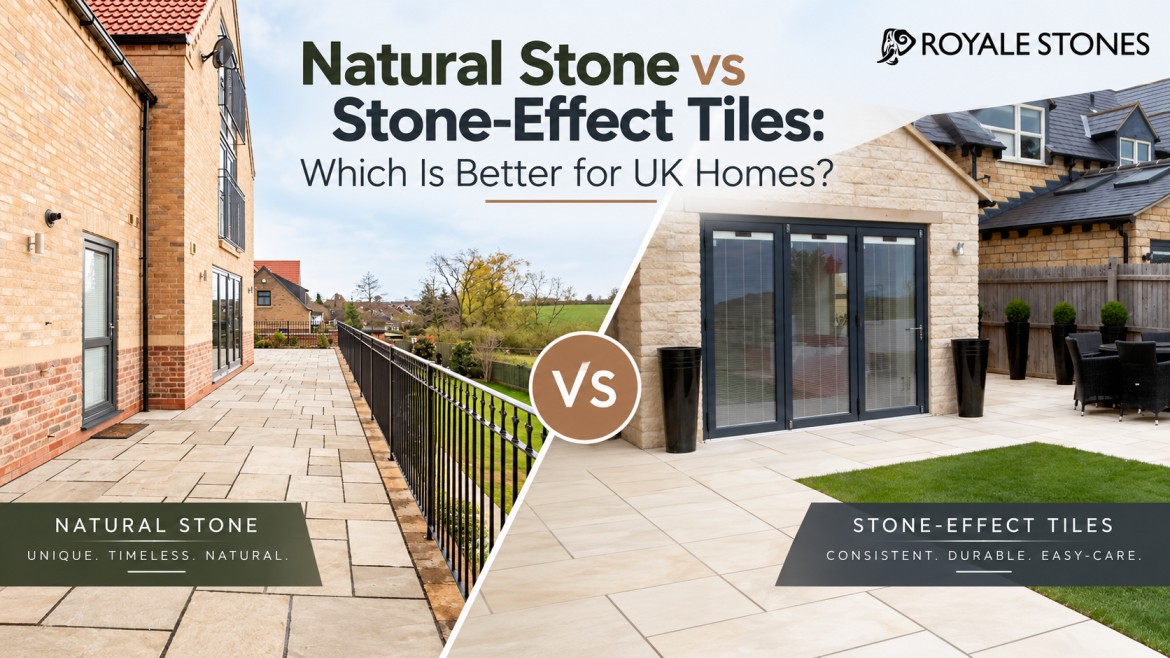
Natural stones, including Dijon limestone, have a beautiful texture with soft colour that is loved by UK homeowners. It develops a beautiful rustic appearance over time that gives the home a lived-in feel.

Being natural stone, these slabs are porous and require sealing and care. Good care and maintenance can prolong the life of natural flooring and enhance its look over time.

In this blog, we will share some cleaning tips for Dijon limestone kitchen flooring. We will provide segregated daily, weekly and deep cleaning steps for easy understanding.

Why Does Maintenance Matter In Kitchens

Kitchens are spaces that are used every day. Crumbs, peels, grease, and spills are a part of it. Dijon limestone is a natural stone, thus slightly porous. Every day use can cause some wear and potential damage to its surface. Daily cleaning and maintenance are recommended to maintain its lasting durability and appeal.

Daily maintenance can:

  • Make the stone age gracefully
  • Enhance the natural finish of the stone
  • Maintains the colour and finish
  • Make it last a long time

Best Way To Clean Dijon Limestone Kitchen Floors

Daily And Weekly Dijon Limestone Cleaning Guide

What to do:

  • Remove the debris or dirt from the floor using a sweeper or vacuum
  • Use specialised cleaners and water to mop the floor
  • Use a soft cloth

This step is easily doable and ensures a debris and dirt-free natural stone flooring.

Important: Make sure that the cleaner you use on the surface is pH-neutral and is suitable for limestone. Make sure the cleaner you are using effectively cleans the surface without damaging the natural stone flooring.

Do Not Use:

  • Abrasive floor cleaners, scrubs, and detergents
  • Never use acid-based cleaners on limestone
  • Anti-limescale sprays
  • Bleach, vinegar, lemon, or ammonia
  • Steam mops

The above-mentioned cleaning agents and tools can be quite harsh for natural stone flooring like limestone. The acids and strong cleaning agents can cause surface damage, dull patches, and wear.

How to Remove Stains and Spills From Dijon Limestone Flooring

Spills are quite common in the kitchen, and you need not worry about them. All you need to do is:

  • Wipe the spill as soon as you can
  • Use a soft cloth with warm water
  • Avoid using any harsh tools or detergents

In kitchens with sealed limestone kitchen floors, common spills are not an issue.

Does Limestone Need Sealing In Kitchens?

The most efficient way to maintain the kitchen limestone flooring is to seal it. Why does sealing matter?

  • It protects from oil and water absorption
  • It protects from staining
  • It makes cleaning easier

Important: Most of the Dijon limestone floors should be sealed after installation. Periodic resealing is required based on the usage.

A good quality natural stone sealer ensures long-lasting durability for the floors. If you are unsure about re-sealing, our team can help you with the right time and products.

Deep Cleaning of Dijon Limestone Flooring UK

An occasional deep cleaning of the stone floors can liven them up. Here is an easy way to deep clean your natural stone kitchen floors.

  • Get a pH-neutral natural stone cleaner for deep cleaning
  • Follow the instructions for the particular product
  • Wash the floor with clean water

It ensures the floor is thoroughly cleaned without stripping its natural texture and shine.

Small Ways to Maintain Limestone Floors

A few preventive measures that you can follow to maintain your natural stone floors in a busy kitchen. These small steps help to avoid any unnecessary wear of the flooring.

  • Use felt pads under your tables and chair legs
  • Keep a rug near the basin and entryway
  • Avoid dragging heavy furniture around the space

Does Dijon Limestone Flooring Change Over Time?

Yes, it’s the beauty of natural stone that its appearance changes as they age. It gives a lived-in feel appreciated by homeowners in the UK. It adds a sense of character and depth to the place, indicating that the stone is settling into the space.

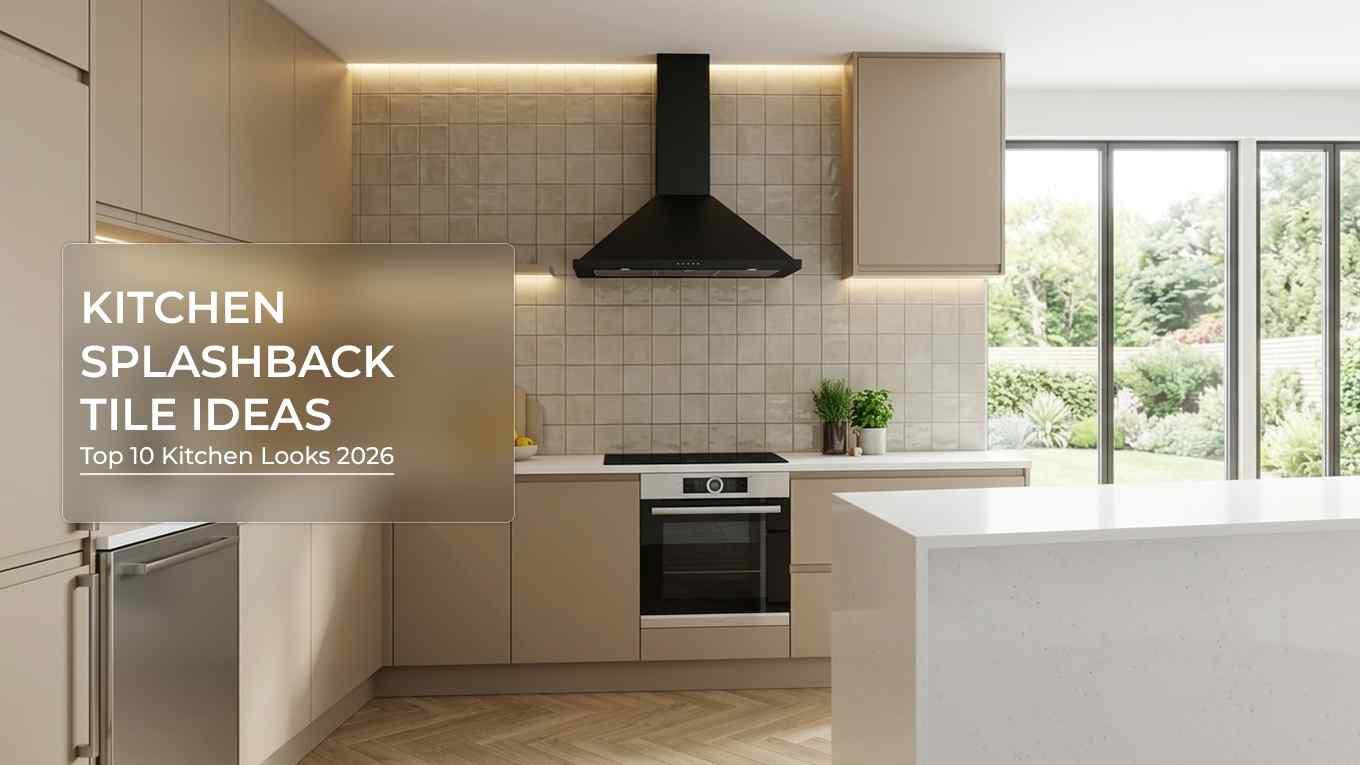
The 900x600mm Dijon Honed Tumbled Limestone Tiles with 15mm thickness are a loved choice for British kitchens. It offers a soft honed finish with tonal variations that look so desirable.

Another great choice for a kitchen with heavy foot traffic is the Dijon Grey Limestone Paving Slabs. It has a soft grey colour with a honed and tumbled finish. With a 20mm thickness, these slabs are also compatible with underfloor heating. These are also an excellent choice for outdoor kitchens.

Explore Dijon Limestone Flooring UK Collection at Royale Stones

Dijon limestone is one of the most loved flooring options for kitchens in the UK. It has a natural look with a dense, hard-wearing surface. When cared for right, it is a practical choice for kitchens.

In this blog above, we shared easy and effective ways for limestone floor protection. Caring for natural stone floors becomes easy when you use a specialised pH-neutral cleaner for limestone.

Royale Stones offers a wide range of indoor and outdoor natural stone paving slabs. Check out our collection and find some stunning options for your space. We also have a wide variety of porcelain tiles, vanity units, natural stone indoor and outdoor slabs, and bathroom accessories.

Visit your nearest Royale Stones tile showroom and find an amazing exhibit of products. Our tile experts can help you with guidance and assist you in making the right choice.

Frequently Asked Questions (FAQs)

How to maintain kitchen limestone floors in the UK?

To be fair, it is very easy to maintain natural stone flooring like the limestone in the kitchen. All you need to do is regularly sweep or vacuum the floors to remove dirt and debris. Mop the limestone floors with water and a soft, clean cloth to avoid any dust from setting on the surface.

How often does limestone flooring require sealing in the kitchen?

Generally, it is recommended to reseal your natural stone floor every 1 to 3 years. For wet areas like kitchens and bathrooms, it can be even more frequent depending on the usage of the space. If you are unsure about the time of resealing, our tile experts at Royale Stones can guide you.

Do Dijon limestone kitchen slabs stain easily?

No, once the Dijon limestone is sealed correctly, its surface becomes impermeable. Sealing is important to ensure the floors are not stained in the kitchens. However, make sure you wipe any spills on the slabs as soon as possible to avoid any potential damage.

Can we use bleach and vinegar to clean limestone flooring in the kitchen?

No, acidic ingredients like vinegar, lemon, or bleach are strictly prohibited for cleaning limestone floors. It can cause discolouration of the slabs. Use pH-neutral specialised cleaners, especially designed for limestone flooring.

Does Dijon limestone change its appearance over time?

Yes, with long periods of time, you may notice a difference in appearance. Over time, natural stone, including Dijon limestone, develops a natural patina that looks incredibly stunning. This process is an integral part of natural stone flooring that makes it so irresistible.